
Here’s the truth: One of the most overlooked resources in your building isn’t a grant, a new program or the latest tech. It’s your students.
Specifically, your student leaders. Too often, we hand them a title and some merch, maybe a seat at a table, but not the real tools or responsibility to do meaningful work. The result? Student leadership looks good on paper, but doesn’t move the needle in your school.
The solution isn’t more titles; it’s more responsibility. One of the most effective ways to change this is through developing student “Impact Teams,” which give students defined roles, real projects and visible outcomes. Student-driven committee work provides a lane, a project and a purpose – turning abstract leadership into concrete action.
And that’s the lesson for principals: when student leadership shifts from symbolic to substantial, schools change for the better.
What is a Student Impact Team?
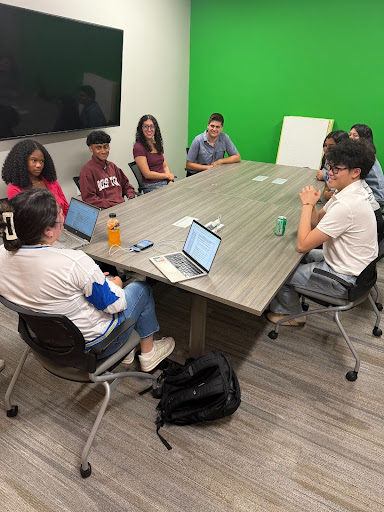
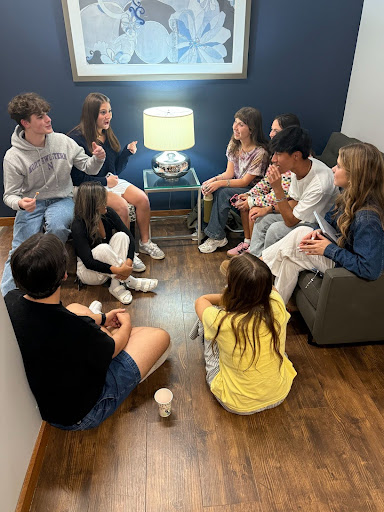
An “Impact Team” is simply a student committee group that is focused on one project, event or goal. It is not the creation of a new student group, it is breaking up your existing student leadership team or student council into small groups that are individually focused on developing real solutions for your school.
Why Student Impact Teams Matter
Ownership
When students own a project, they’re no longer just “the student rep” – they’re partners in the work of the school. Ownership builds responsibility, confidence and a stake in outcomes that matter. It’s not engagement for engagement’s sake; it’s preparation for the roles and responsibilities waiting for them after graduation.
Capacity Building
Running committees isn’t busywork; it’s leadership training in action. Chairing a meeting, presenting to staff, or reporting out to peers mirrors the adult roles they’ll step into in college, the workplace and their communities. These are the same muscles they’ll flex after they graduate.
Distributed Leadership
Schools work better when leadership is spread wide. Committees move more students from the sidelines to the center of the action. More roles = more perspectives = a stronger, healthier school culture.
A Roadmap for Principals
1. Start Small and Define the Task
- Divide your student council or advisory into just two committees: Culture & Climate and Events & Recognition.
- Give each one focused work for the semester.
Outcome: Students learn that leadership isn’t about endless debates; it’s about solving real problems.
2. Empower Ownership
- Rotate a student chairperson each month.
- Use a simple template: Task, Plan, Timeline, Next Steps, Evaluation.
- Step back. Resist the urge to run the show.
Outcome: You grow a deeper bench of students who can facilitate, not just participate.
3. Connect to Adults
- Pair each student committee with a parallel staff group (school improvement, PBIS, etc).
- Give them a few slides to present at a staff meeting.
Outcome: Adults see student input as part of the system, not a sideshow.
4. Make the Wins Visible
- Share “Student-Led Wins” in newsletters, morning announcements or a school board meeting
- Keep it simple: “You asked for ___, we did ___.”
Outcome: More students buy-in because they see their work creating change.
5. Keep It Sustainable
- Limit to one project per semester.
- Celebrate the finish, reset and let students choose what’s next.
Outcome: Students stay energized and leadership opportunities rotate to more voices.
Bottom Line
When leadership shifts from titles to tools, from symbolic seats to meaningful work, everything changes. Students stop being figureheads and start acting as stakeholders. They build capacity, share leadership, and bring more voices and perspectives into the process.
The best part? None of this requires a new initiative. It simply means reshaping the groups you already have. After all, if students can turn a high school gym into the “Lost City of Atlantis” from just three trips to Dollar General and a fog machine, they can handle real leadership work too.