
What if the secret to turning around a struggling middle school wasn’t an expensive tech platform, but a quiet library, a simple weekly script and a rowdy Friday afternoon ice cream party? Meet two principals who are proving that connection, not compliance, is a catalyst for lasting student success.
Confronting the Status Quo
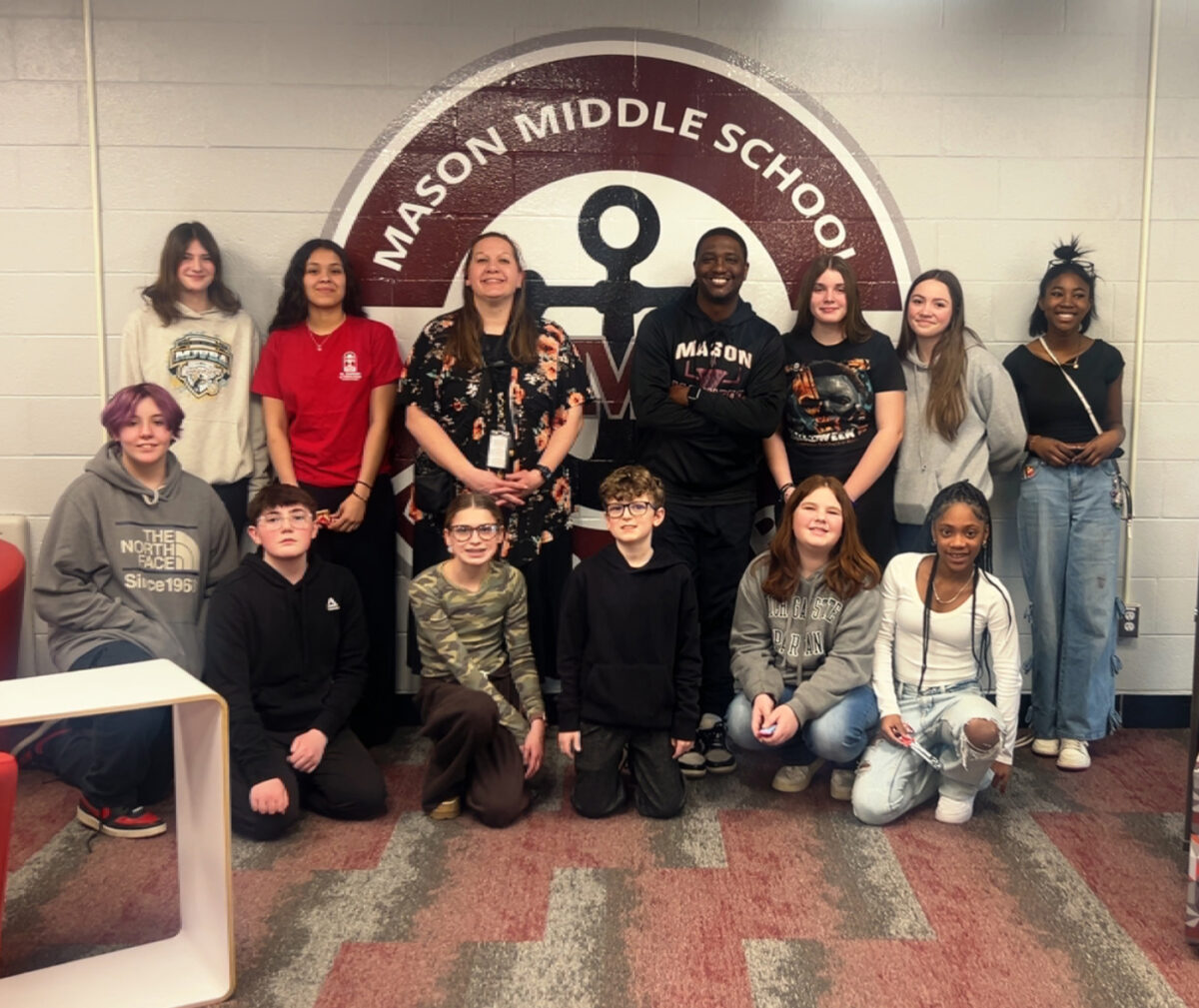
When Stephan Henning stepped through the doors as the new principal of Mason Middle School in the Waterford School District, he walked into a building defined by low academic performance and high discipline rates. Compounding the issue, the Multi-Tiered System of Supports was fractured and inconsistent across the middle schools.
“The MTSS process wasn’t strong,” Henning said.
Kyle Schultz, Pierce Middle School Principal, echoed that concern.
“It wasn’t the same across buildings,” he said.
Meeting frequencies varied widely between buildings, leaving staff misaligned, while a relatively young team needed structured mentorship. The overarching obstacle for Henning was clear: shifting the staff and student body away from a culture of reactive punishment and toward a proactive model of data-driven support. To accomplish this shift, Henning and Schultz knew they needed a system that proactively identified student needs before they became significant barriers to success.
Reimagining the Support System
Innovation in education rarely requires high-tech overhauls. Instead, it begins when brave leaders ask new questions, challenge outdated assumptions, and refuse to accept subpar outcomes. For Mason Middle School and Pierce Middle School, the district’s two middle schools, confronting the status quo meant dismantling the traditional, reactive way student needs were identified.
Previously, interventions were driven mostly by casual teacher referrals, which often prioritized highly visible classroom behaviors over data. Reflecting on the process, Schultz emphasizes the value of this objective framework.
“It’s the focus on data and the focus on not looking, necessarily, at the students’ names,” he said. “As educators, we tend to focus on the kids we know struggle the most, and sometimes, our Tier 2 students can fall through the cracks.”
Henning and Schultz established an ironclad weekly meeting protocol. Yet the power of the system was not the data itself, but how they used it to create empathetic, student-centered supports.
Henning launched the “Catch up Cafe,” a voluntary lunchtime program where students with missing assignments received a front-of-the-line lunch pass, grabbed their food and headed directly to the media center. There, counselors had their missing assignments printed and waiting, ready to offer targeted help.
Turning Data into Daily Routines
Systemic execution required building staff capacity and protecting collaborative time. Every Thursday, Mason and Pierce Middle Schools utilized an early-release schedule and dedicated an hour to Professional Learning Communities, or PLCs. To make the weekly MTSS meeting highly efficient, the district’s Curriculum, Instruction, and Assessment team compiles comprehensive data packets, covering attendance, grades, NWEA, and SAEBRS scores, into shared weekly digital folders. During meetings, the MTSS team, comprising counselors, social workers, resource teachers, school psychologists, teacher leaders, and administrators, split into general and special education cohorts to dive deep into individual student stories.
From Compliance to Connection
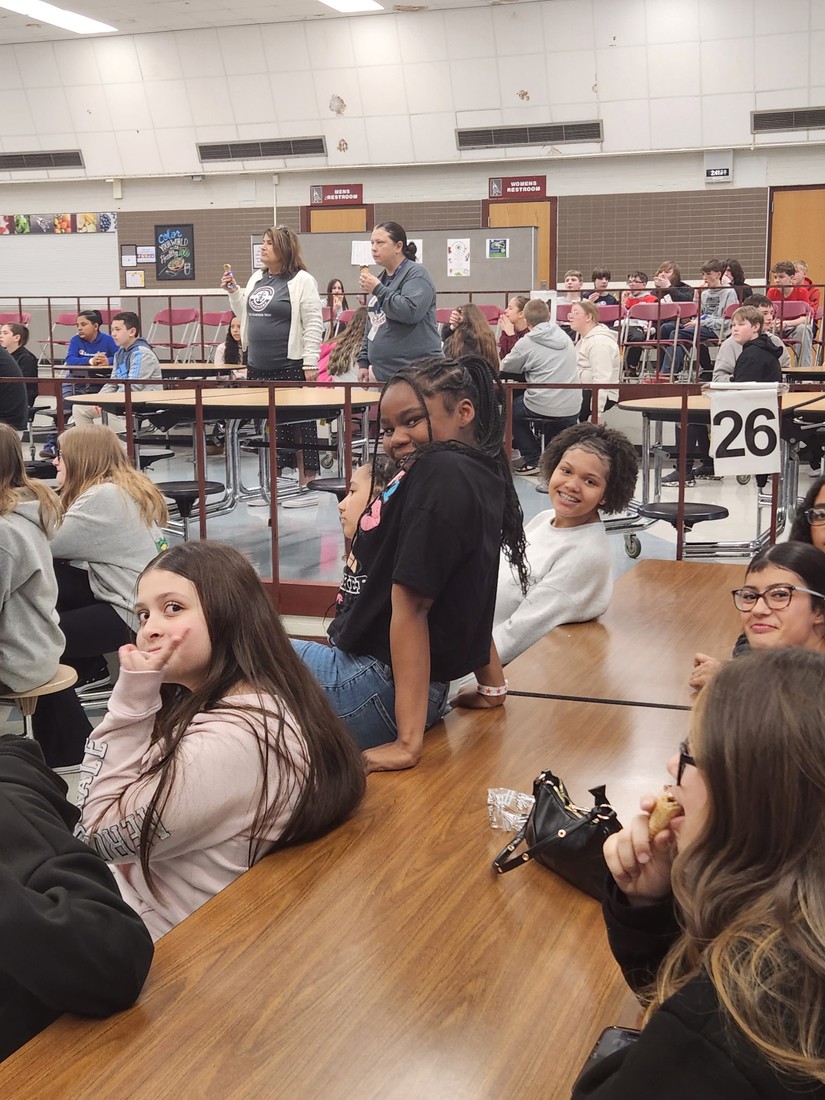
The results of this systematic, empathetic approach have been significant. By celebrating small wins and shifting focus to positive reinforcement, the school culture completely flipped. Mason Middle School expanded its recognition programs by hosting quarterly honor role celebrations complete with music, raffles and community rewards.
“I told my staff, ‘We want to make the honor roll party something students aspire to be a part of,’” Henning said. “I want every kid to feel like they want to be a part of what’s going on in the cafeteria because it seems like so much fun.”
The shift was clear: Honor roll enrollment increased from 120 students to 192 students by the third quarter, ultimately resulting in more than 600 students being recognized.
The “Catch up Cafe” became so universally popular that Henning’s team stopped running mandatory missing assignment lists altogether; students began flooding the media center completely voluntarily just to work in a quiet, supportive environment. The number of students with missing assignments decreased significantly while the number of students earning A’s and B’s increased substantially.
Additionally, to recognize students who were making steady gains but might not meet traditional honor roll criteria, Henning established the “Turning the Tide” award. This ensured that incremental behavioral and academic growth was spotlighted and celebrated. Henning personally communicated these achievements to families, strengthening home-school partnerships. As positive communication reached homes, parent engagement surged, with families actively requesting collaborative strategy meetings to support their children.
At Pierce Middle School, Schultz observed a corresponding increase in community engagement. Early identification of attendance patterns allowed the school to transition from punitive truancy notices to empathetic family outreach.
“It’s a ‘Hey, we really want you at school. We miss you when you’re not here’ type of thing,” Schultz said. “It helps bridge the connection between school and home.”
Leadership Lessons
For principals seeking to implement similar systemic reforms, Henning and Schultz offer three recommendations:
- Do Your Homework: Successful meetings require intentional leadership preparation. Henning spends up to an hour and a half the night before reviewing data trends. “As a building leader, I still have to do my homework and come prepared … If you’re not rolling up your sleeves with them, in the work, then those conversations won’t carry,” he said.
- Protect Staff Time: Be intensely laser-focused. Conclude the meeting early when the objectives are achieved. Respecting their time builds trust.
- Shift the Mindset First: Align interventions around human need rather than compliance metrics.
When addressing the initial resistance occasionally associated with transitioning to a weekly meeting schedule, Henning anchors his leadership philosophy in professional accountability.
“It’s really hard to push back on, ‘Why are we doing this?’ This kid has 20 missing assignments. If we don’t help them, who will?” he said. “This is the real work that we need to do.”
At Mason and Pierce, MTSS is no longer viewed as a compliance exercise. It is a system built on relationships, proactive support, and the belief that every student deserves to be seen before they struggle and supported before they fall behind.