
Pathways to Prosperity
Walking through West Ottawa High School, it would be easy to start counting.
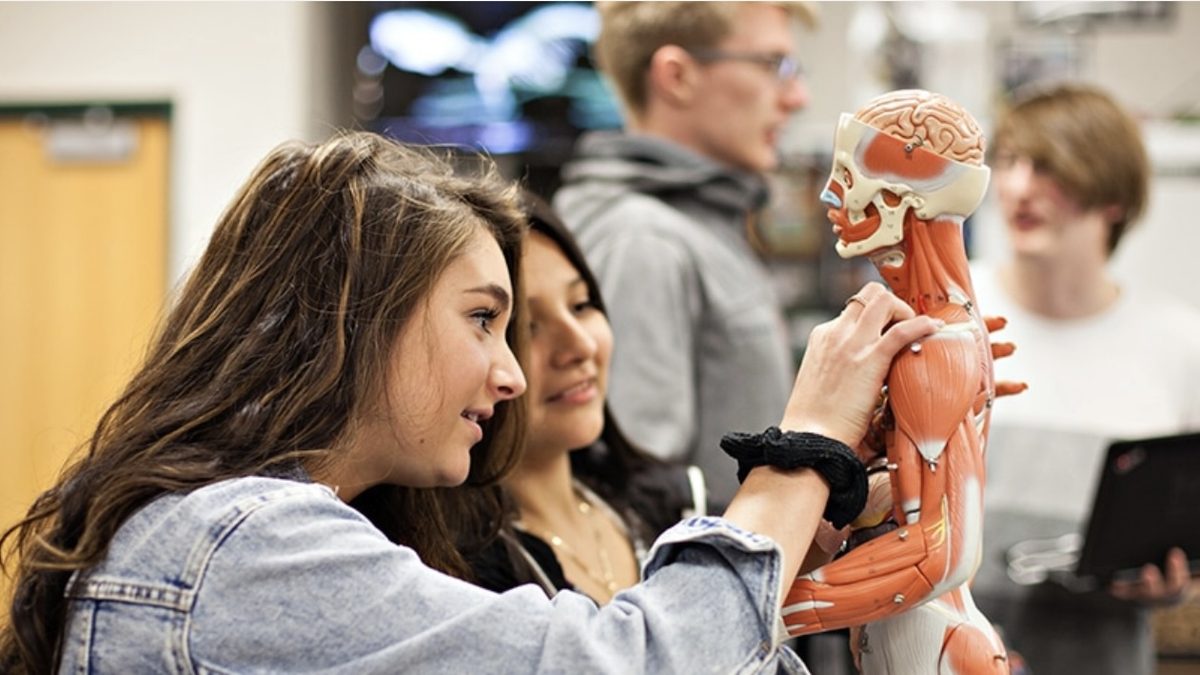
Alongside a comprehensive core curriculum and a variety of world language offerings, students can pursue AP courses and the IB Diploma Programme, career and technical education, dual enrollment, early middle college and work-based learning. Applied, fine and performing arts give students room to discover and deepen their interests and passions, while athletics, clubs and other extracurricular activities enrich their lives beyond the classroom. Alternative and virtual learning provide different ways for students to access and experience school. All of this takes place within a remarkably diverse student community where 47 languages are spoken. There is a lot to see across a sprawling campus with two high school buildings and facilities that rival those of many colleges.
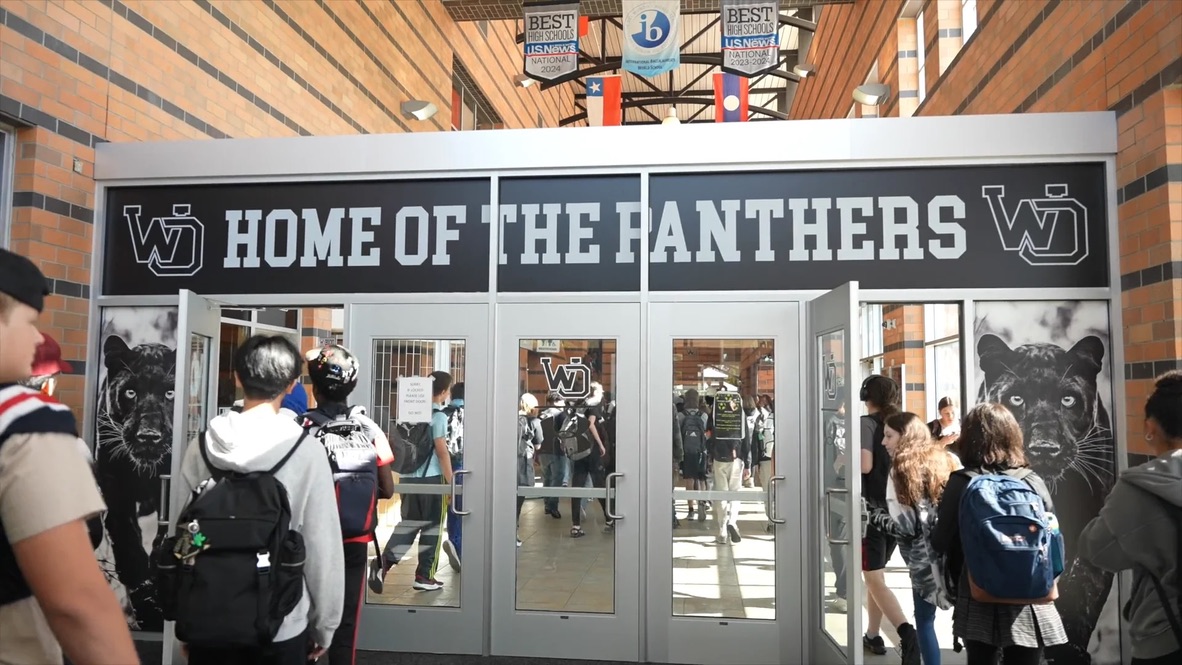
While touring the campus with Principal Kristine Jernigan, I was impressed by both how much West Ottawa offers and what all those opportunities make possible. As we talked about the choices available to students, Kristy explained that creating opportunities also means creating the environments where students can experience them.
West Ottawa could have divided into separate high schools as it grew, but instead remained one school across two buildings. Kristy talked about the importance of that shared identity and the deliberate effort to ensure that, with a few exceptions driven by facilities, students aren’t separated into one building for one kind of experience and another building for something else. Students move between buildings and among experiences while remaining part of the same school community.
Taken together, it raises a question about what it means to be a comprehensive high school. Is it really about how much a school offers, or what all those different opportunities make possible for students?
Discovery Is Part of Readiness
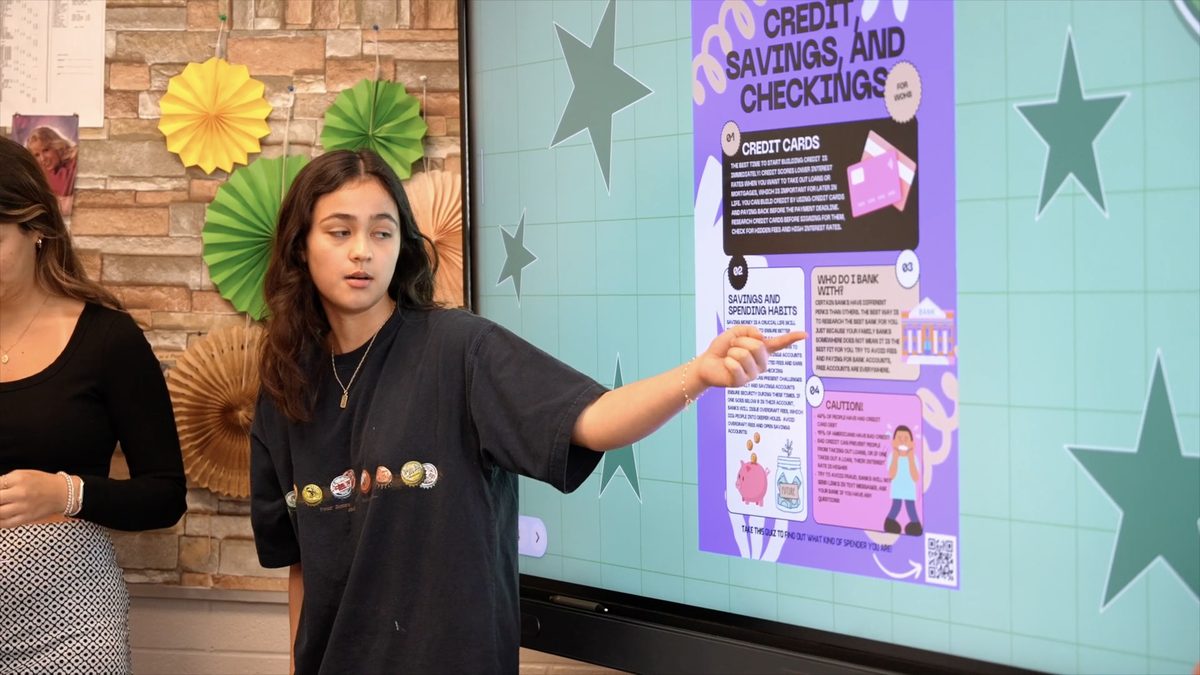
For one student, an advanced academic course may reveal a capability they didn’t know they possessed. Another may discover through technical education that they love making and fixing things. Someone else may find that performing, creating, leading or caring for another person brings out something in them that other experiences haven’t.
That is where choice becomes something more consequential than selecting a course. It gives students opportunities to discover what they are good at, what matters to them, where they feel capable and what they might want to do next.
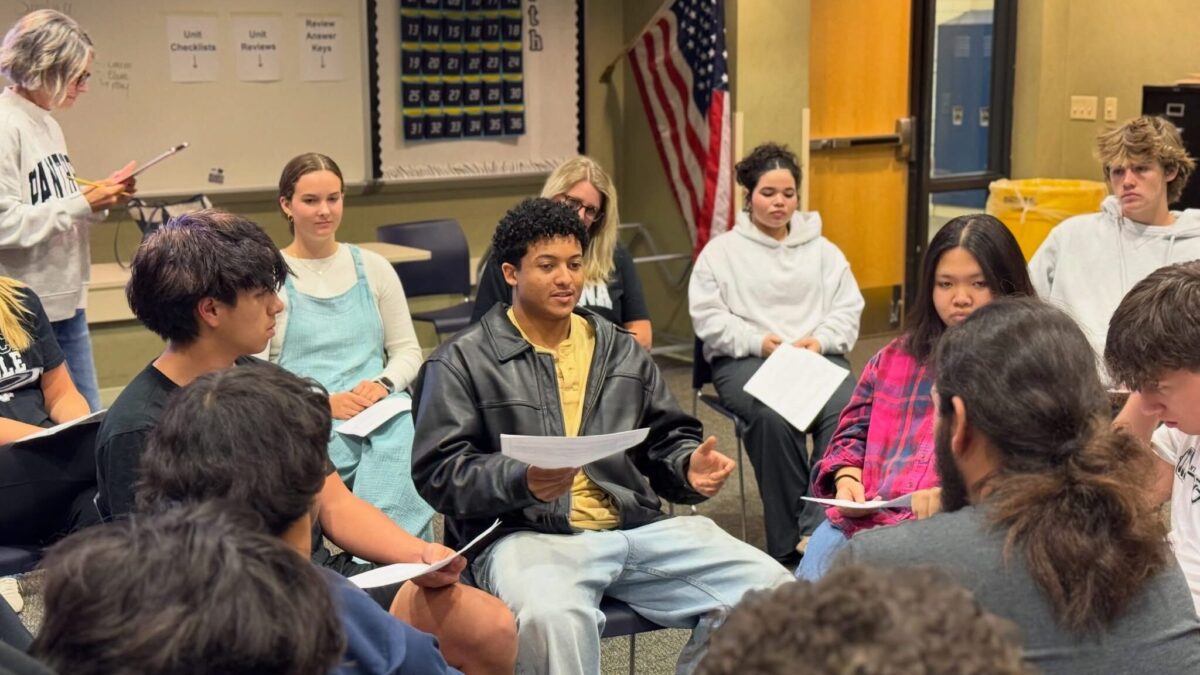
Kristy talked about the flexibility that begins to open for students as they progress through high school. “We do have a million different options for kids, and I love it.”
That range of options matters because adolescence is also a period when students are still figuring out what fits. They need opportunities to try things, develop strengths, encounter something unfamiliar and sometimes discover that what they thought they wanted isn’t actually for them. Kristy noted that this isn’t time wasted, but part of becoming college, career and life ready.
Some of those experiences can take students well beyond West Ottawa. The district has developed sister-school exchanges with schools in Spain, France, Denmark and Japan. Small groups of students travel with West Ottawa educators, live with host families and attend school alongside their peers. Later, West Ottawa families reciprocate by hosting students from those schools.
Todd Tulgestke, West Ottawa’s assistant superintendent, told me that the Panther Fund and district have partnered to provide scholarships for 60 percent of the students participating in these exchanges, helping make the experience possible for students who might not otherwise have the opportunity to travel abroad.
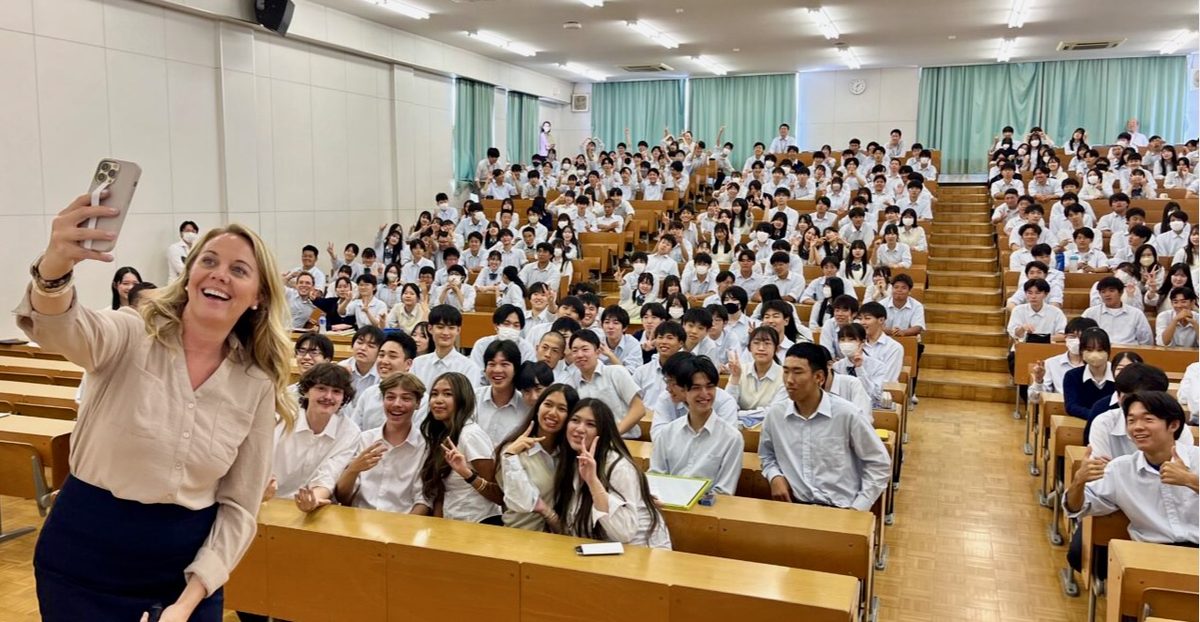
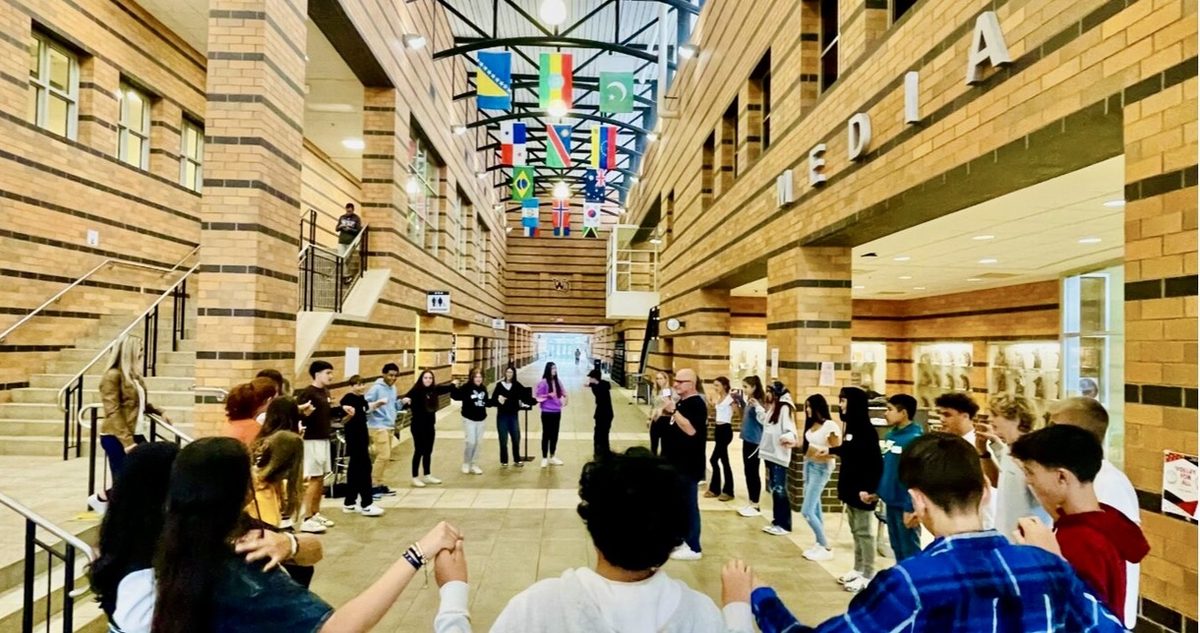
Experiences like these can expand what students imagine for themselves without requiring them to decide their future any earlier.
Even in a school with an extraordinary range of opportunities, students still have to make choices among experiences that may compete for limited time. Kristy talked about this through her own daughter’s experience, where pursuing one opportunity sometimes meant giving up another. Simply adding more options doesn’t guarantee students will find the experiences that help them grow.
I saw the importance of that distinction when Kristy walked me through Dunes Alternative High School.
A teacher told me about a recent ropes-course experience at TreeRunner in Grand Rapids, where students encouraged one another to try things they weren’t sure they could do. Some had arrived believing they wouldn’t attempt any of it. Yet they climbed, tried the zip lines and encouraged classmates they hadn’t interacted with much before.
It wasn’t until later in the visit that we ran into Dunes Principal Michelle Woods.
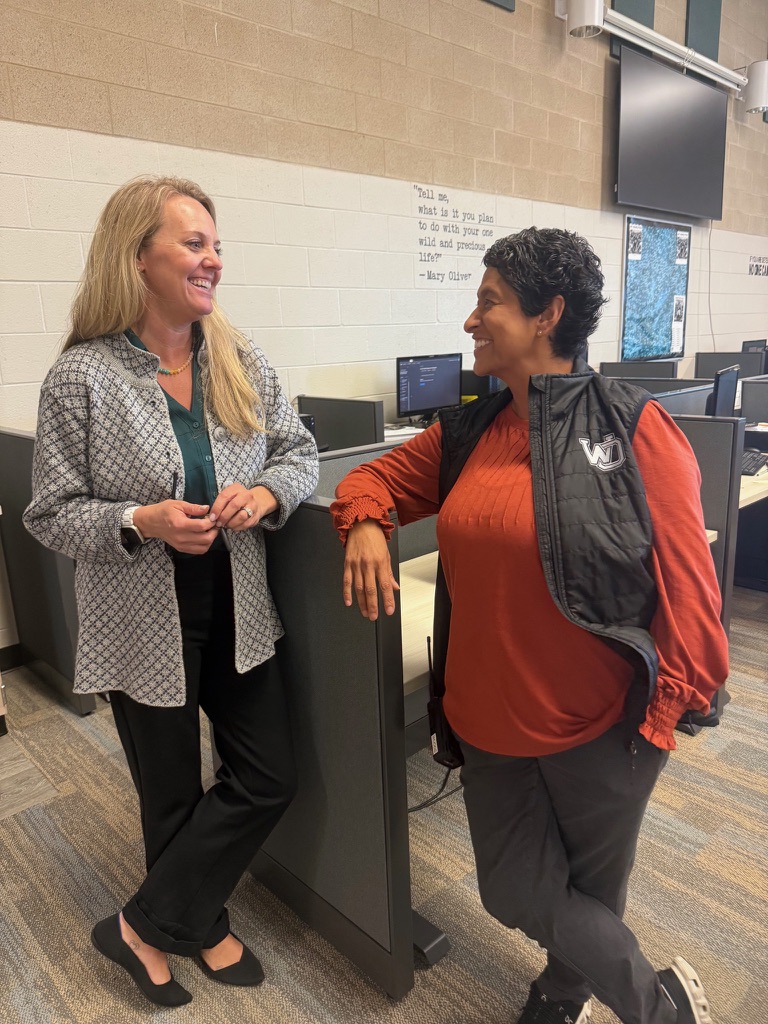
Michelle talked about what the district’s investment has meant for the program, including new workspaces, computers and furniture. Students have individual spaces they can make their own. She described that investment as “such a gift.”
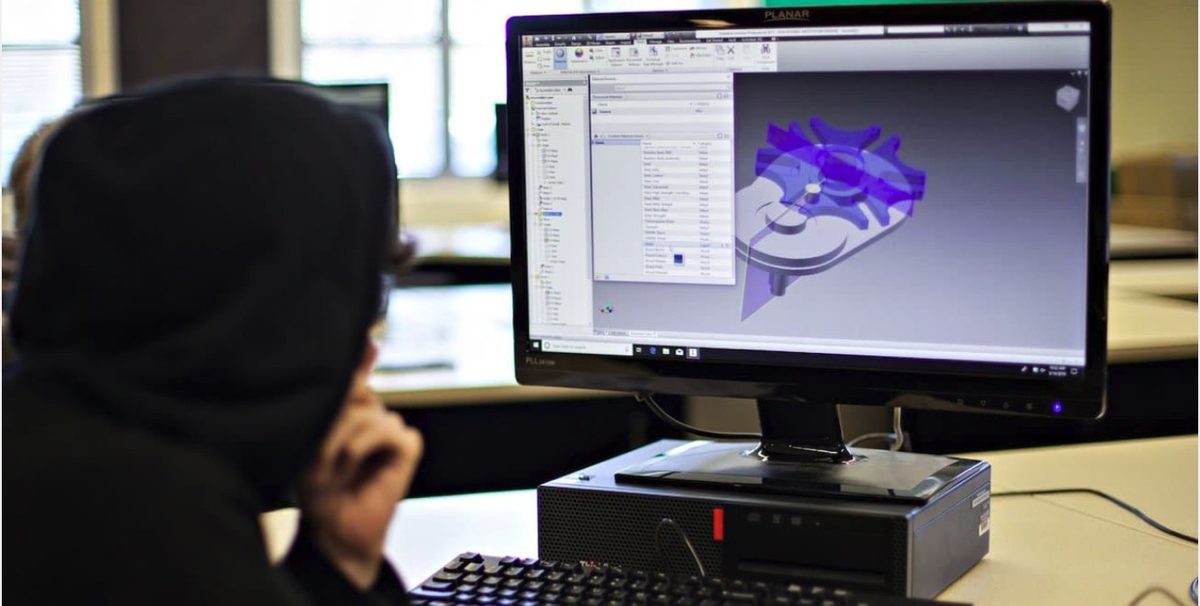
When I asked what she was most proud of, though, Michelle quickly moved from the space to the students.
“I am most proud about kids who come in here who have had a negative school experience.” Many, she explained, arrive having “failed in their minds.” But over time, she sees something very different: “They transform.”
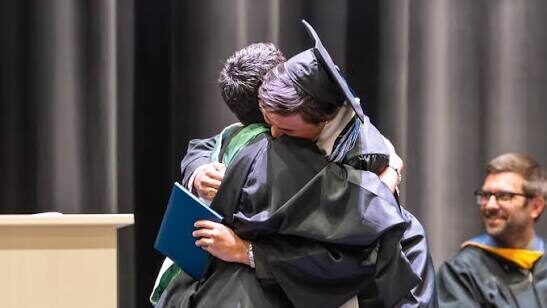
They begin to see themselves as successful. For Michelle, earning enough credits to graduate matters, but success doesn’t stop there. She wants students leaving “not just with a high school diploma but with a plan.”
“What do you want to happen next,” she asks them, “and what are the pathways to get there?”
Students visit colleges and trade schools. They explore manufacturing, health care, cosmetology and other careers. The purpose isn’t to tell students which option is best. It is to expose them to possibilities and help them connect what they are discovering about themselves to something they might pursue.
Then Michelle told me about three students. They finished their high school coursework early and moved directly into welding training. Each earned three certifications. All three left with welding jobs.
That’s a pretty tangible answer to “What comes next?” But the story begins before the certifications or jobs. A different environment gave those students another opportunity to experience themselves as capable.
Before we left Dunes, I had a brief interaction with one of the students. I asked him what he appreciated about Ms. Woods. His answer wasn’t complicated.
“She’s patient and always willing to help.”
And when I asked what he appreciated about Ms. Jergeson, he didn’t blink. “She believes in me.”
As Michelle continued describing students who arrive at Dunes believing they have failed, the student walked over to Kristy and gave her a hug. In that moment, what Michelle was describing became visible.
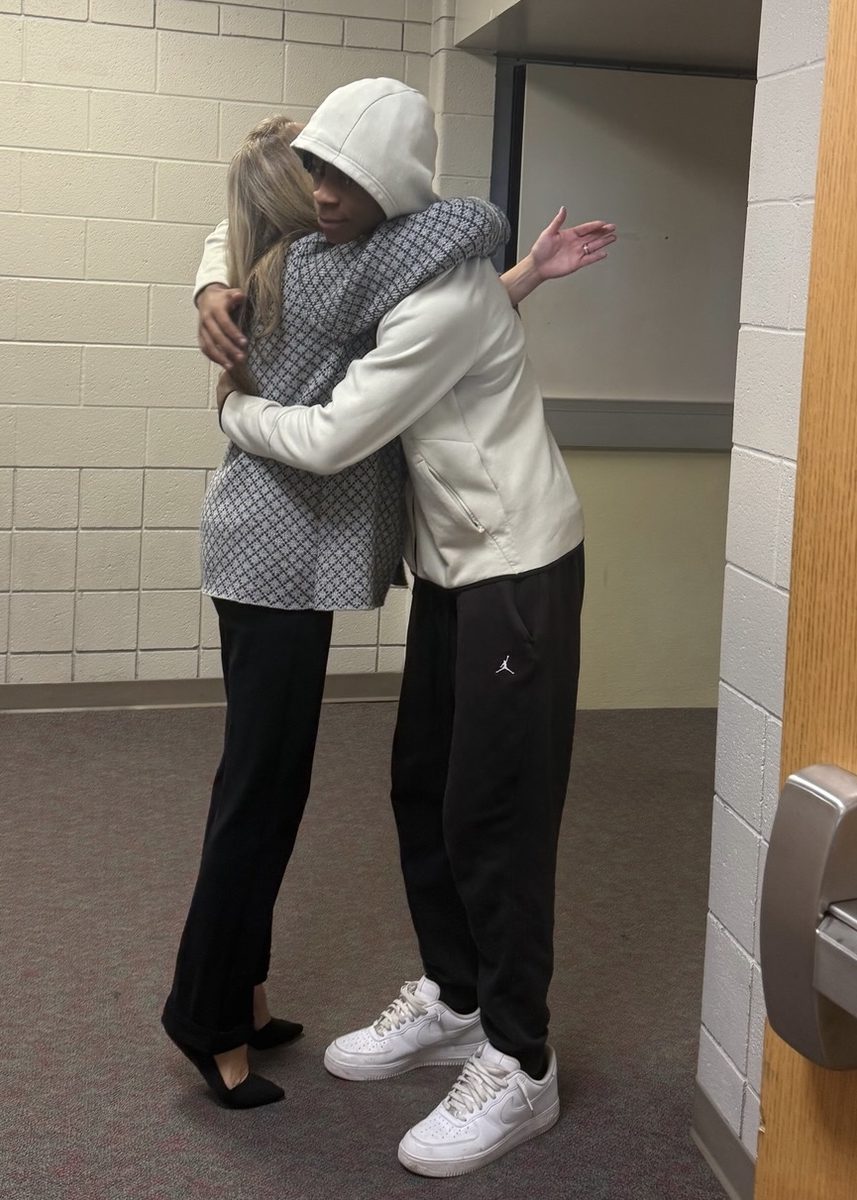
Students don’t simply need another opportunity. They need adults who continue to see possibility in them long enough for them to begin seeing it in themselves.
That kind of discovery is every bit as important to readiness as earning the next credit or completing the next requirement.
What We Build Reveals What We Value
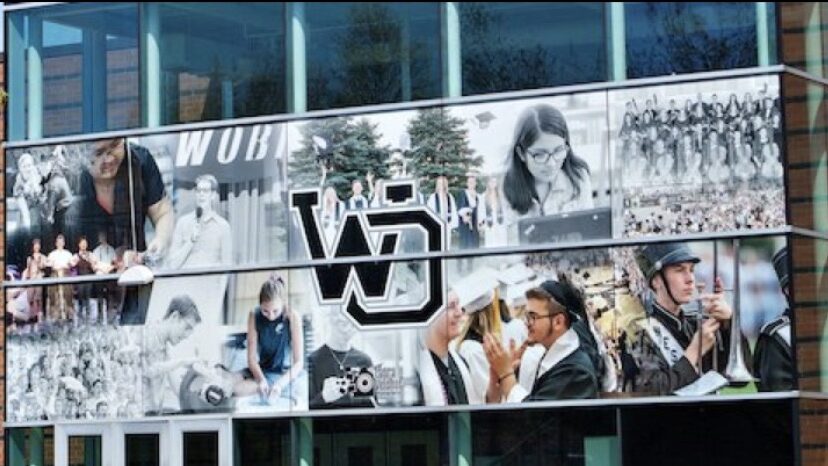
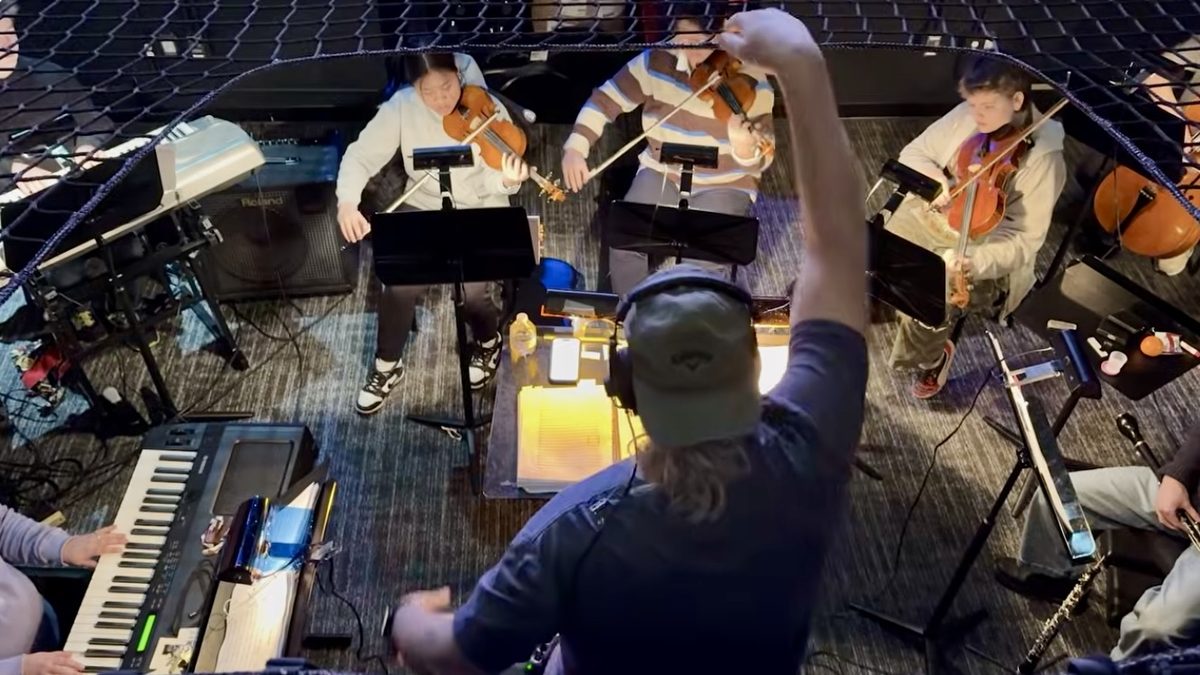
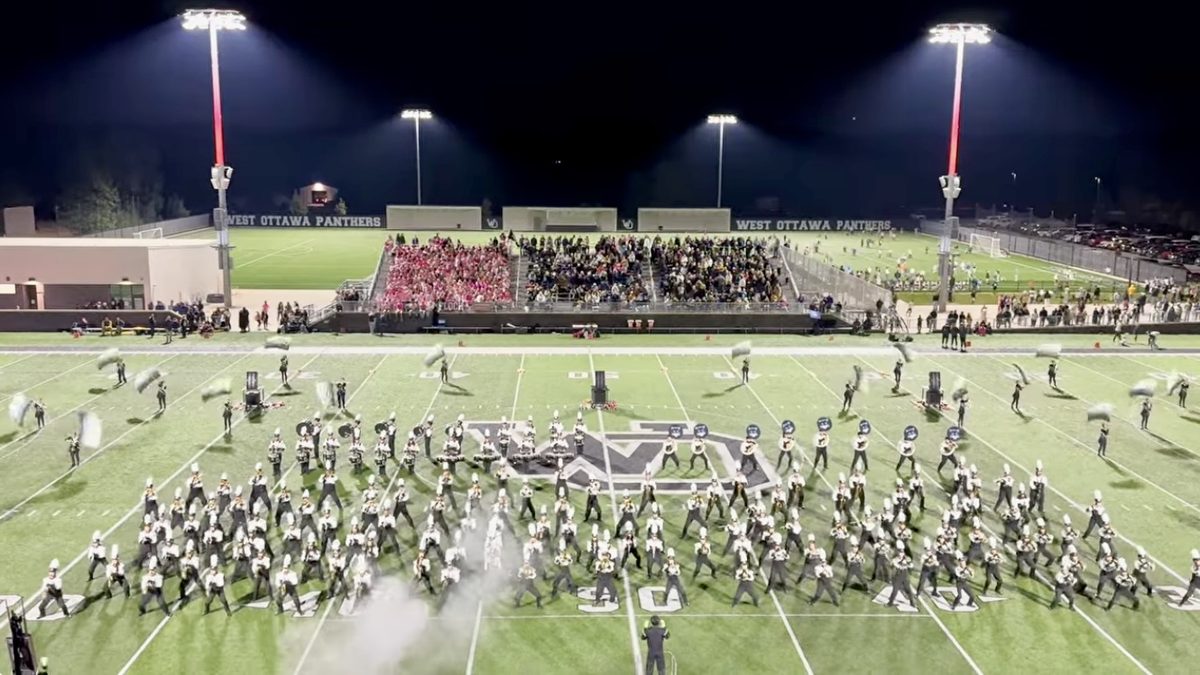
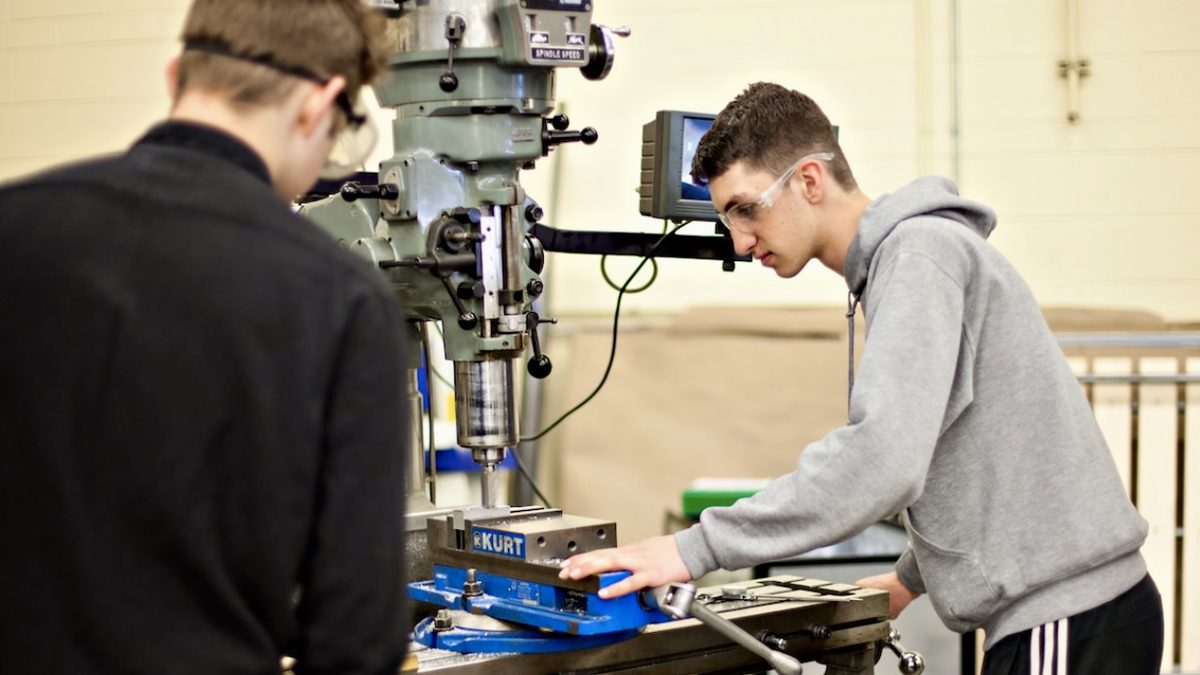
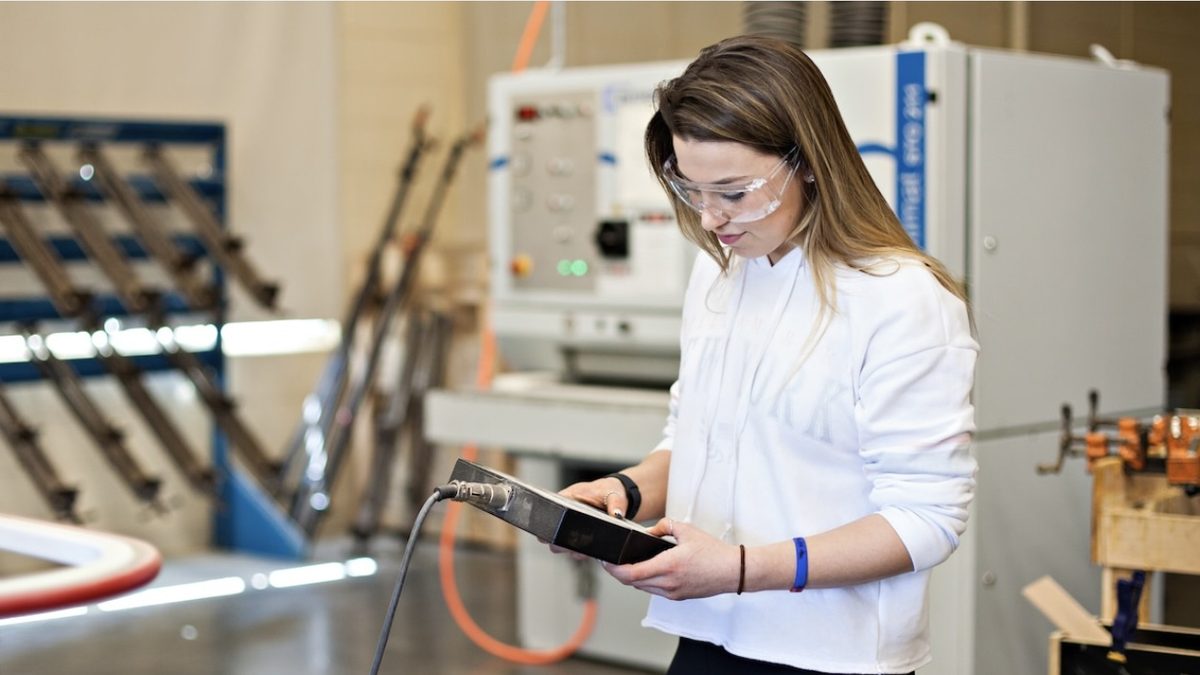
The physical investment across West Ottawa is difficult to miss, from the performing arts center and athletic facilities to Industrial Arts and STEM spaces, engineering equipment and learning spaces across the campus. A new aquatic center is taking shape as well.
It would be easy to tell the story through buildings. But the buildings aren’t the story. They are evidence of what a community has repeatedly chosen to make possible for its students.
Kristy talked about a community that loves its kids and continues to invest in them. The district describes that support similarly. Its newest performing arts center, for example, expanded opportunities for a large and active music and theater program. Classroom renovations involved teachers testing technology and furniture before choosing what best fit the needs of their students and courses.
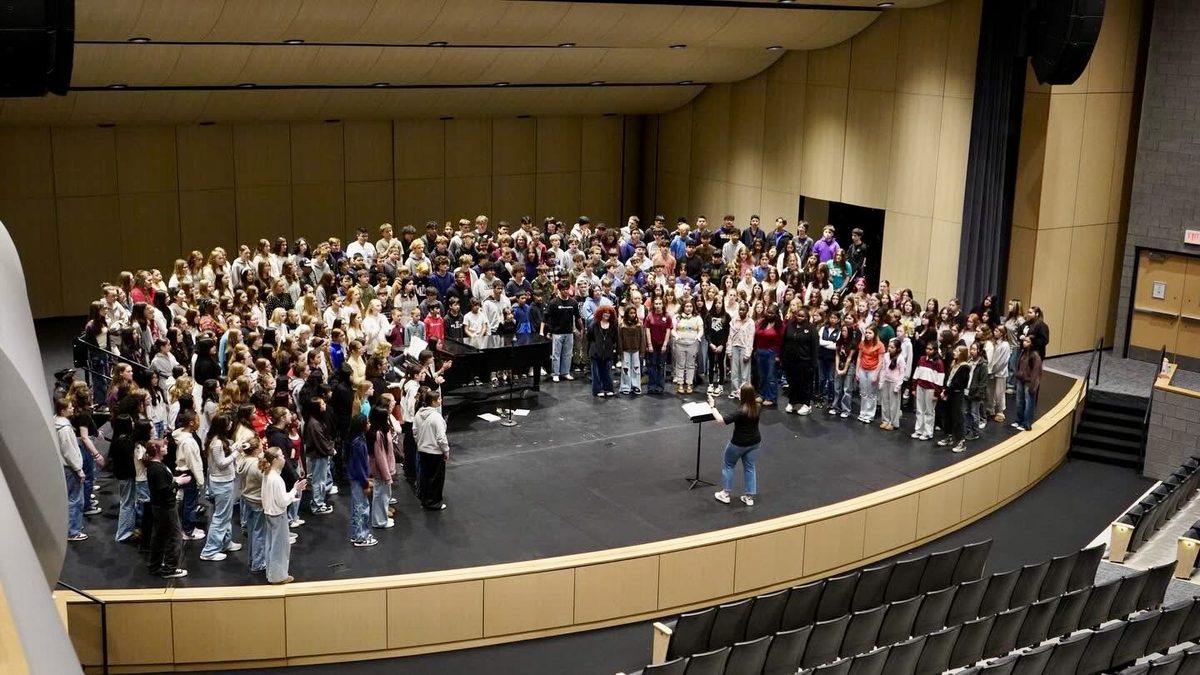
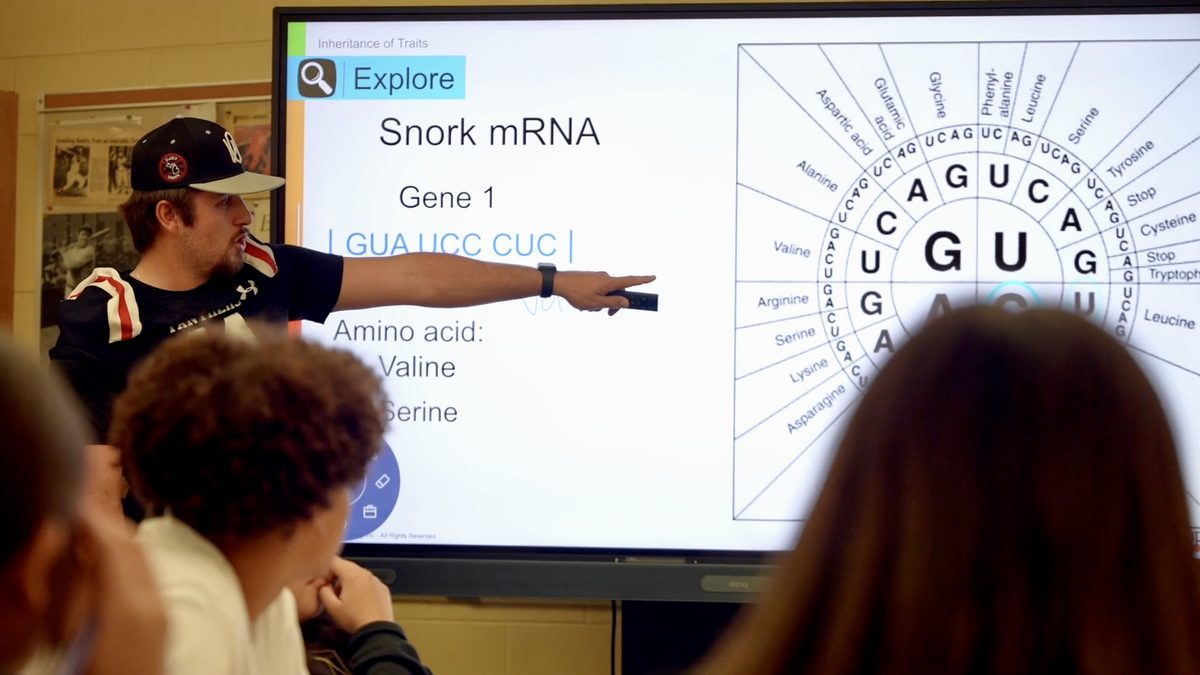
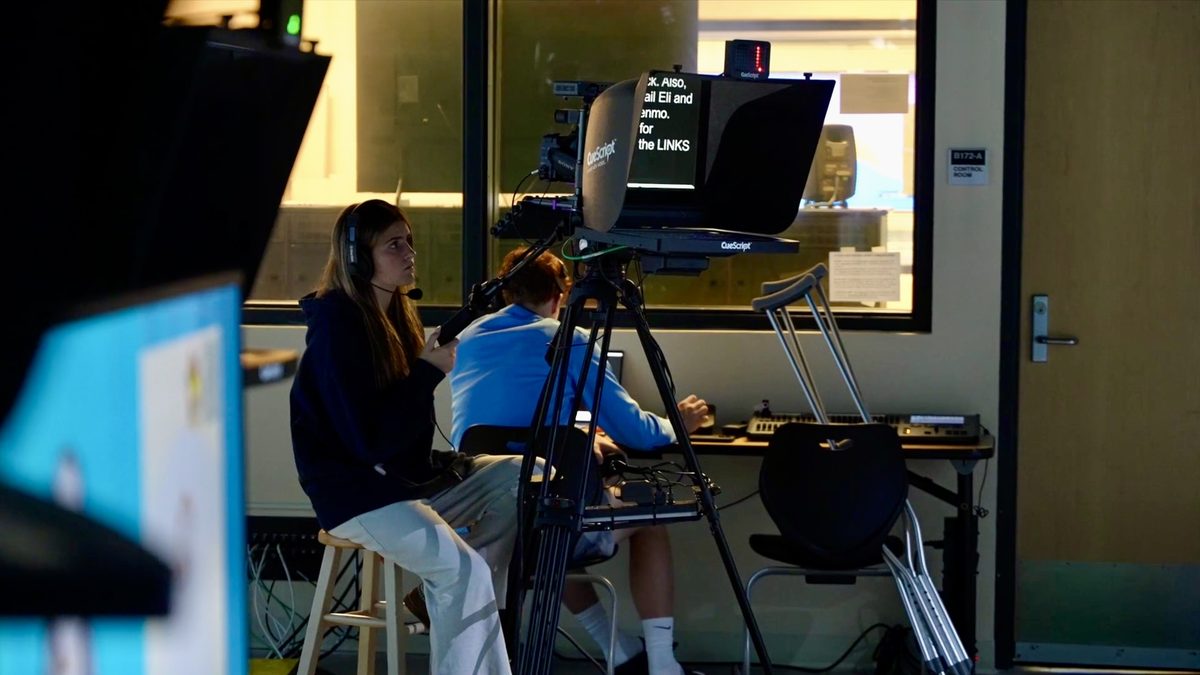
Sustaining that kind of investment requires trust and stewardship. People have to believe an investment in schools will become an investment in students.
But the investment I saw at West Ottawa wasn’t only financial. After my visit, I went back to an August episode of George Couros’ The Innovator’s Mindset Podcast, where Superintendent Tim Bearden and Todd talked about the relationships and trust underneath the district’s instructional work. Tim also talked about wanting educators to feel they had the permission, space and autonomy to create, knowing their leaders would work alongside them.
Kristy’s connection to West Ottawa extends well beyond her current role. She attended the district, returned as a teacher, became an assistant principal and now serves as principal. She is proud of West Ottawa, but she wasn’t talking as though WOHS was a finished product or the work was done. As we walked near the new aquatic center, for example, our conversation turned from the facility itself to something that can’t be seen in a photograph of the campus. Kristy shared that for some of her students, responsibilities beyond school and transportation can be barriers to participating in student activities before and after school. One of the next steps she is working toward is finding a way to get those students home.
What the Work Can Teach Us
We often describe students as college, career and life ready by looking at what they have completed. Courses, credits, credentials and graduation requirements all matter. But readiness also develops through experiences that help young people learn something about themselves.
- What am I capable of?
- What matters to me?
- Where might I contribute?
- What could come next?
The student who discovers a passion through an elective is learning something about themselves. So is the student who tries something they weren’t sure they could do, encounters a future they hadn’t considered or begins believing graduation is possible because an adult continues to see possibility in them.
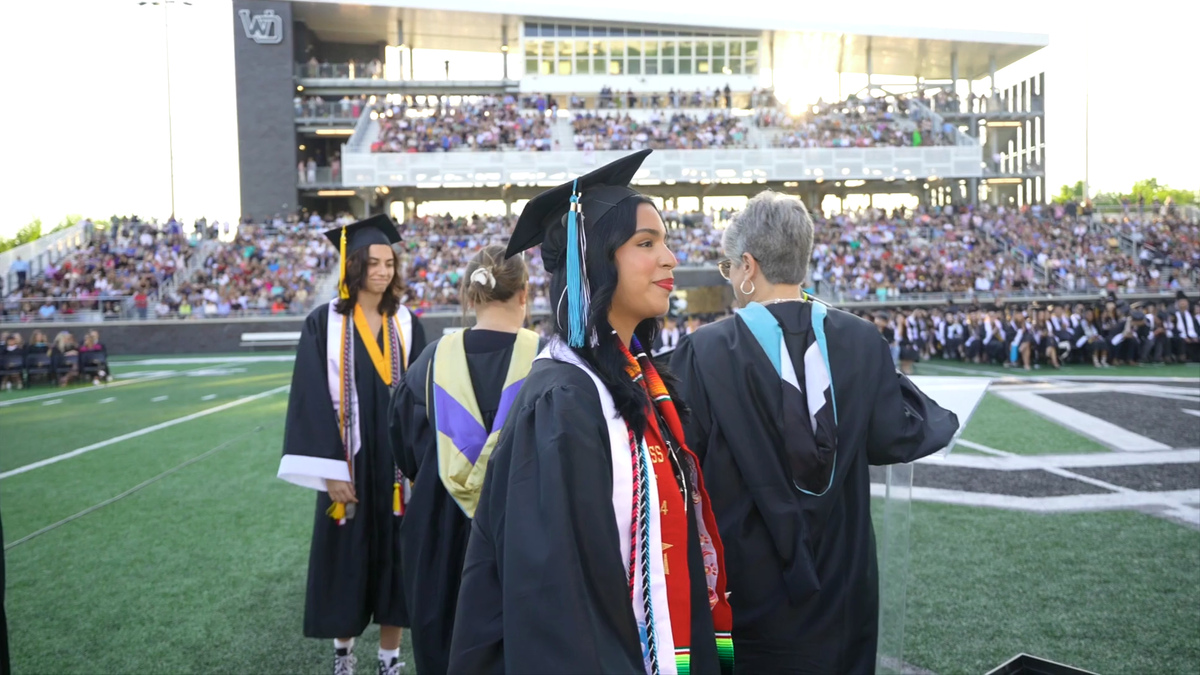
In the spring, my colleague Michelle Blaszczynski wrote about our responsibility to help students ”stick the landing.” I was reminded of that idea as Michelle Woods described students who arrive at Dunes believing they have failed and leave not only with a diploma, but with a plan.
Throughout my visit, Kristy talked about many of the things that make that possible well before graduation, including opportunities that help students discover what interests them and what they are capable of, adults who help them see possibilities they may not yet see for themselves, and environments where they can develop those capabilities and connect them to something that might come next.
It was something Kristy had put much more simply earlier in my visit: creating opportunities for students means creating the environments where they can experience them.
West Ottawa may occupy two buildings, but it is one school. Just as a house becomes something different when it becomes a home, a school is more than the buildings students occupy. What matters isn’t simply what exists within the walls, but what students are able to experience there. Across West Ottawa, those experiences can look very different. One student may discover an academic challenge they didn’t know they were ready for. Another may find something they are good at through technical education, the arts or work beyond school. Another may encounter an experience that helps them imagine a future they hadn’t considered before. The pathways may differ, but underneath them are relationships with people who know students, support them and continue to believe in what is possible for them.
Taken together, all of this returns to the question of what it means to be a comprehensive high school: Is it about how much we offer, or how many different ways students can develop their capabilities, discover what matters to them and expand what becomes possible next?
Because the goal isn’t simply graduating from high school. It is creating the experiences, relationships and environments that help students leave ready for whatever comes after commencement.