
Where You Are Is Where You Begin
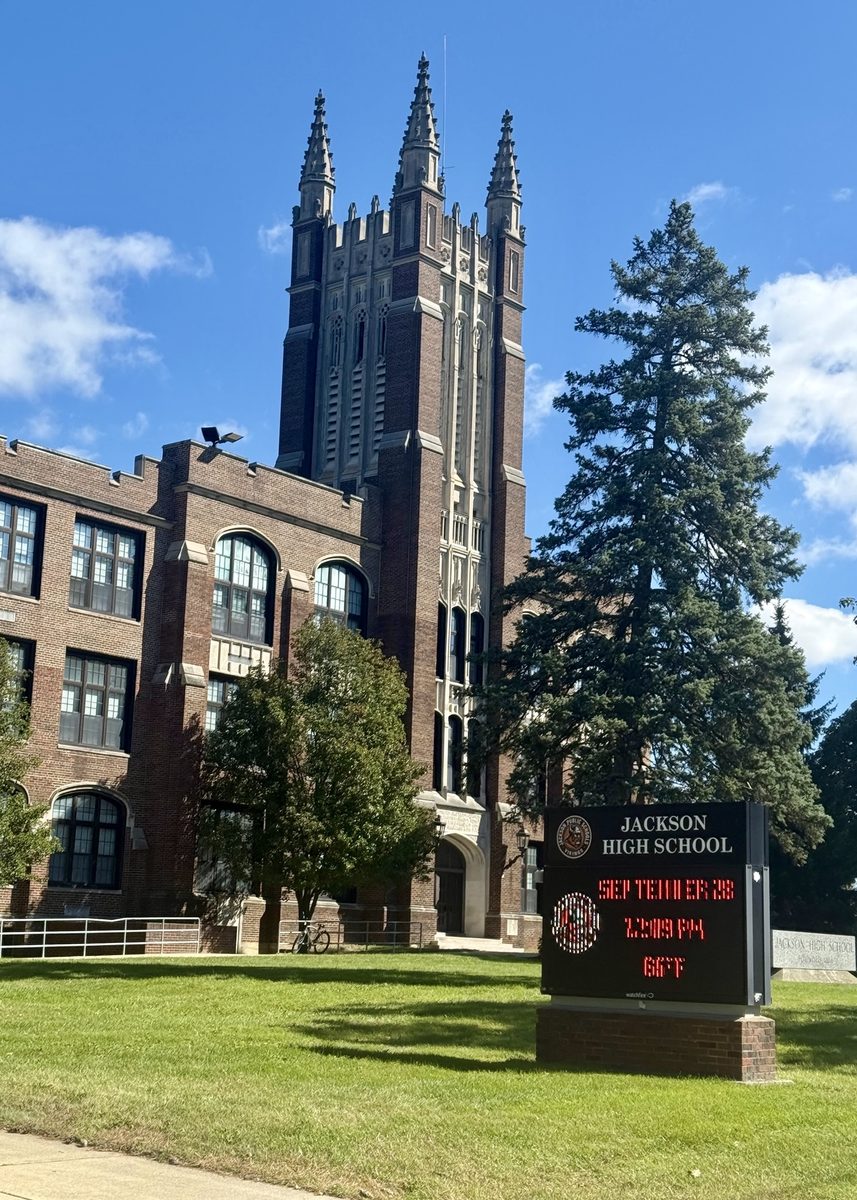
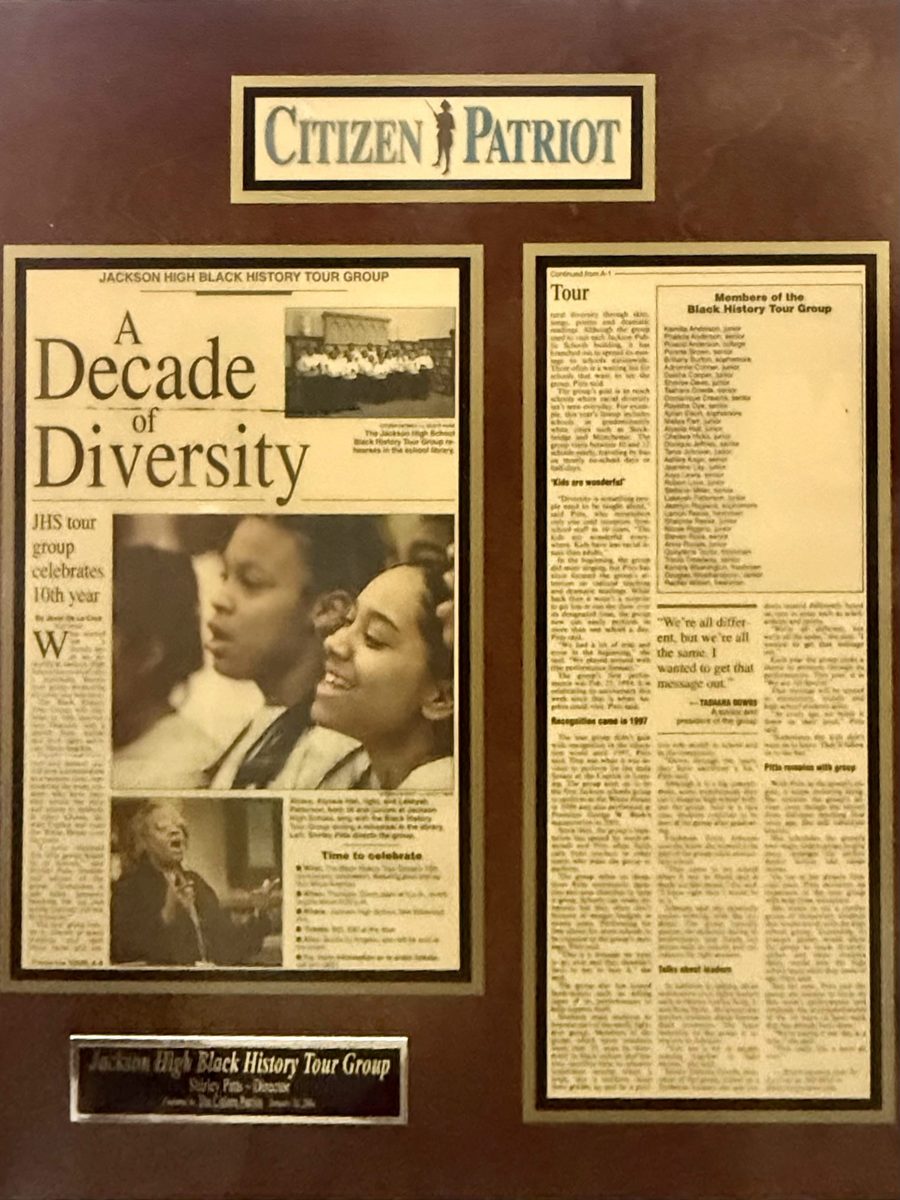
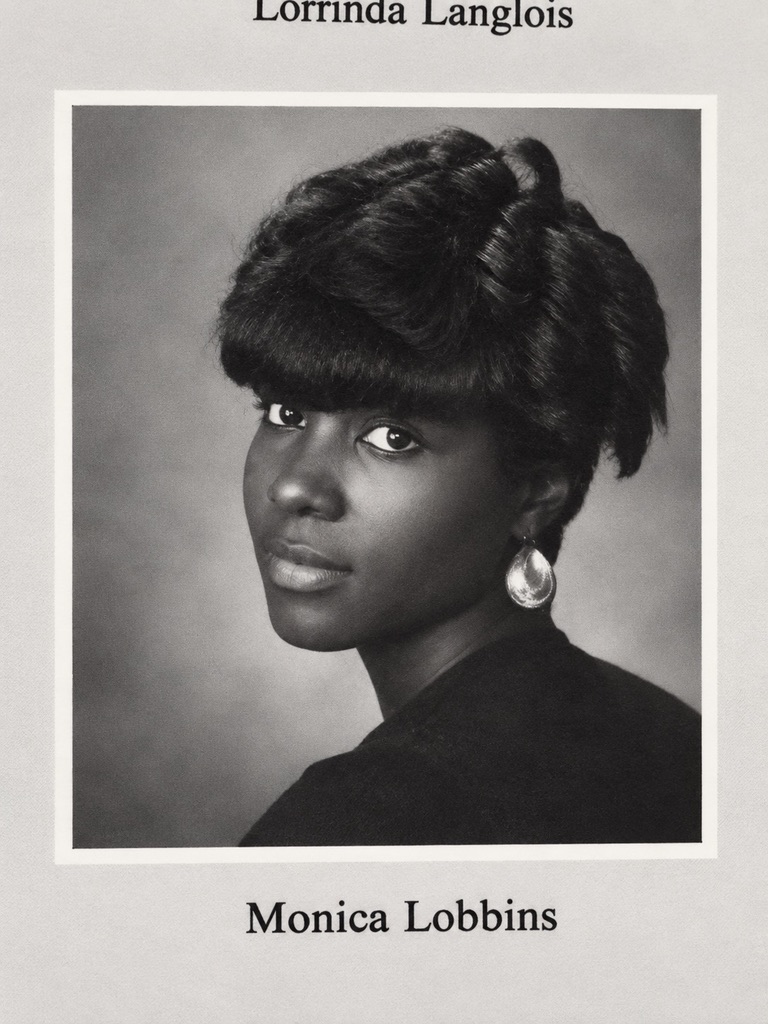
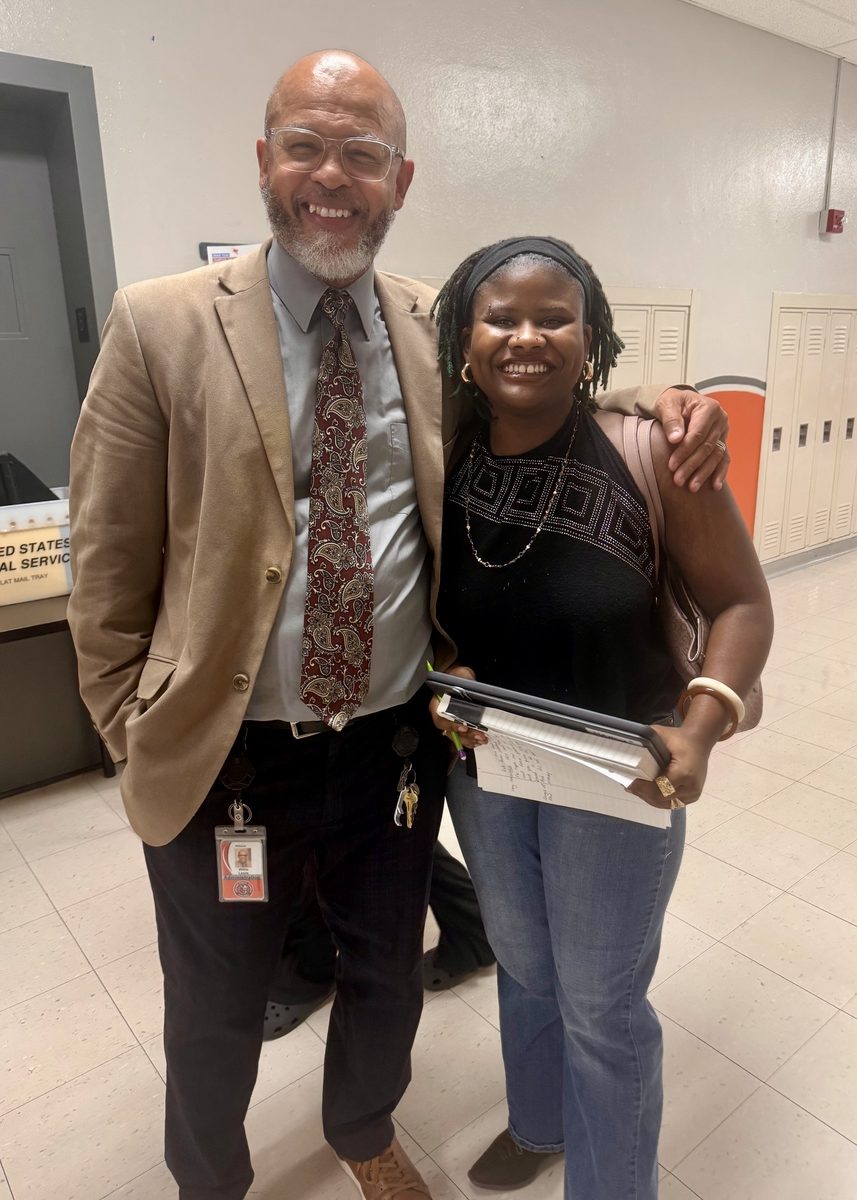
Walking through Jackson High School with Principal Monica Pierce feels a little like walking through the history of a community. Old class photographs line the walls. Displays recognize people who came through Jackson before today’s students. Murals reflect the identities and experiences of the young people who walk the halls now. Even the building itself carries its history alongside newer additions.
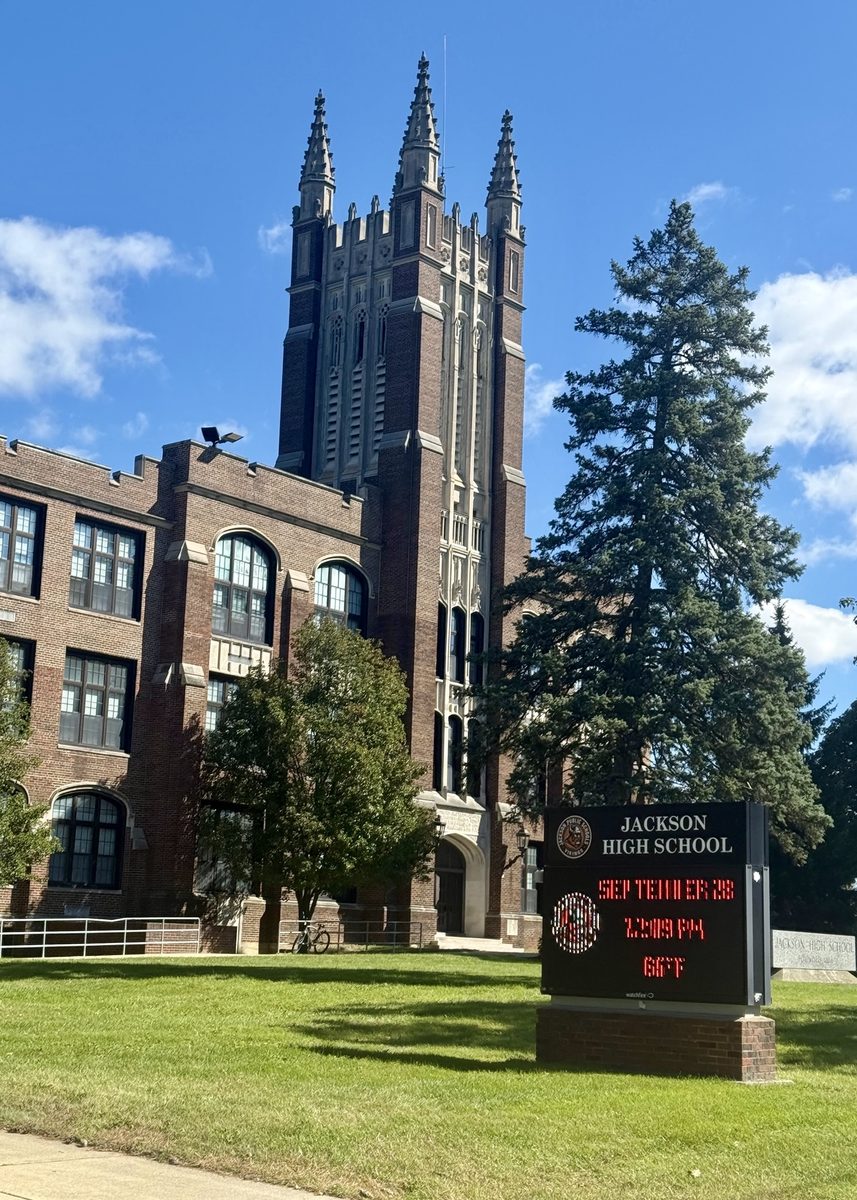
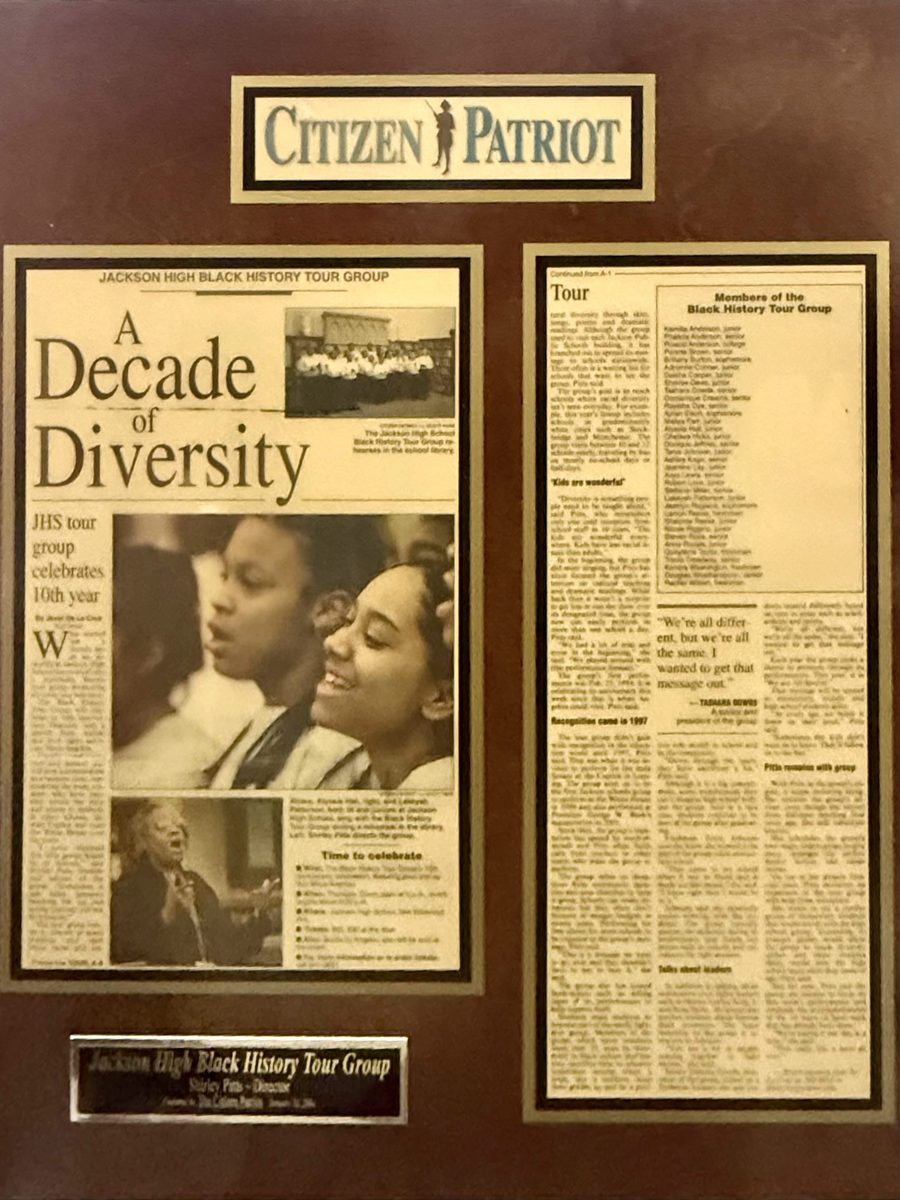
Monica is part of that history.
She graduated from Jackson and talked about the educators and leaders who shaped her experience as a student. As we moved through the building, I learned that she wasn’t the only one to have a history at “J High.” Teachers, counselors, administrators, security staff and others I met had attended J High themselves. At one point, I said that it felt as though four out of every five people I met had graduated from Jackson.
Not far from one of the grade-level offices, Monica introduced me to Jackson’s new attendance coach. She had only been in the position for a couple of weeks and was already making home visits, reaching out to students who weren’t showing up and developing attendance contracts.
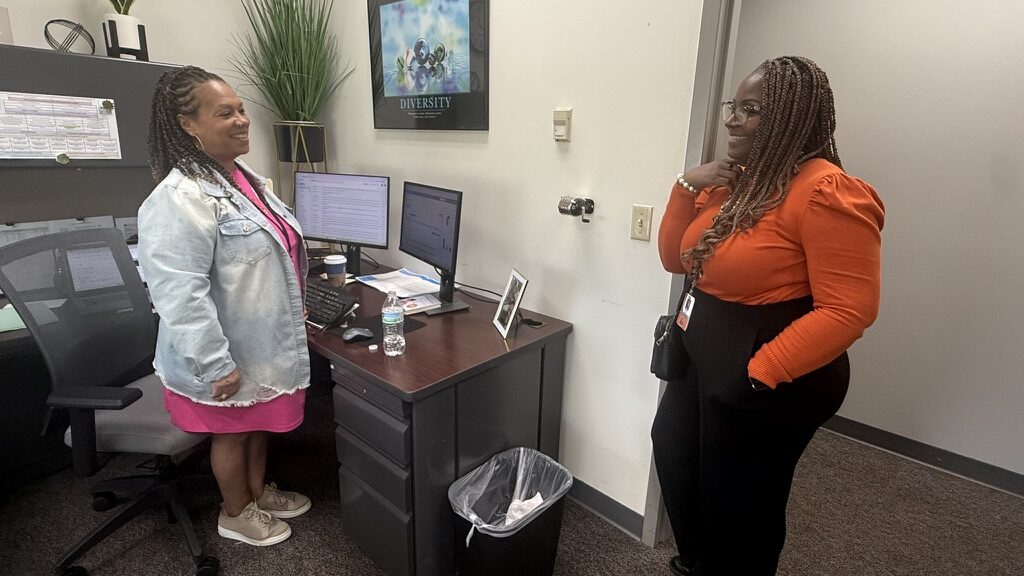
I asked her about the contracts and how they worked. She didn’t answer with days absent, consequences or target days present, the kinds of things I expected to find in an attendance contract. Instead, she pulled out one she had just completed and handed it to me. Front and center, in big bold letters, it said, “YOU MATTER TO ME!”
This wasn’t the kind of contract I was expecting. It was a commitment between two people. Rather than trying to light a fire under the student, she was creating the conditions to light a fire within her.
She told me about a student who hadn’t returned to school that fall. After the attendance coach reached out, the student came in and had just left the office to attend her first class. What stayed with me was how she described the student’s response. She was excited about the contract and the relationship the two were beginning to build.
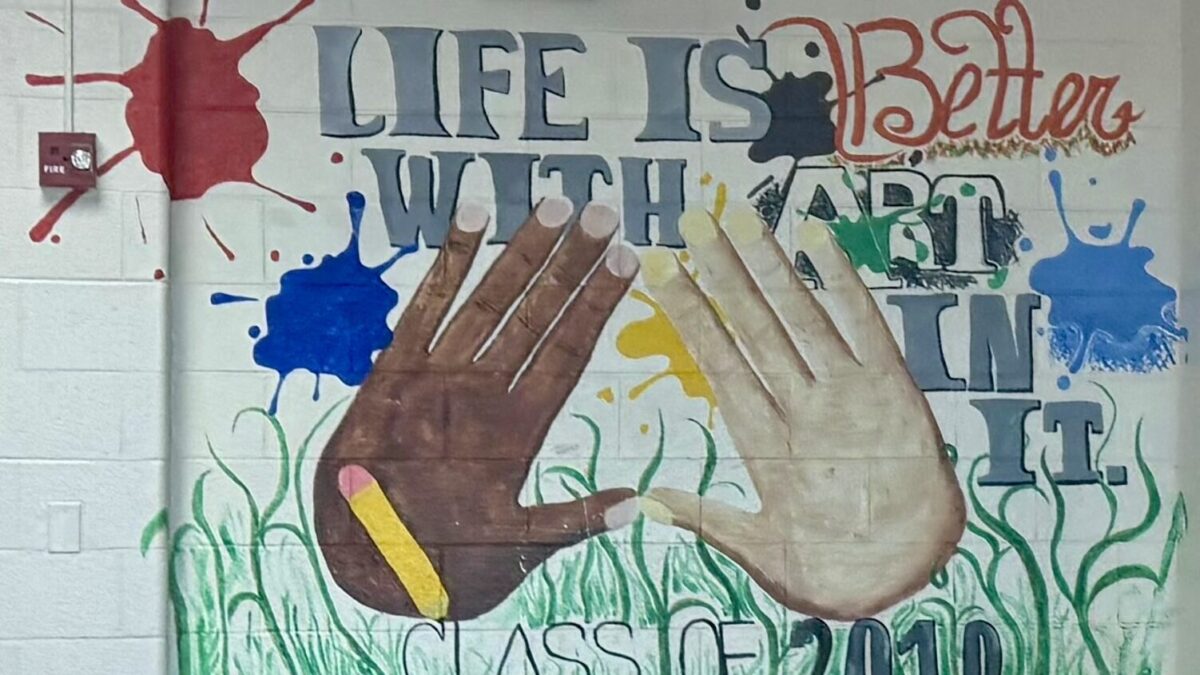
Monica introduced me to people working with students on college and career planning. We visited an ELL classroom where I met students who had come to Jackson from different countries. Throughout the building, murals depict Jackson’s history from the early 1900s to today, nearly all created by students over the years. Monica stopped to talk with students in the hallway, and those conversations revealed how much she knew about the people we encountered. When one student talked about where he was struggling, Monica reminded him of his strength in math and encouraged him to build from there.
More Than One Way to Be a Viking
Later, Monica connected me with Willie Lewis, Jackson’s 11th-grade associate principal and the leader of Pathways, which is designed to serve students who are needing or seeking something different from the traditional comprehensive high school experience.
Willie shared how students can craft a schedule that draws from both Pathways and Jackson High. A student might use Pathways for credit recovery while still taking an elective such as creative writing, music or guitar at Jackson High. Additionally, students can continue participating in athletics, attend homecoming and prom and remain part of the larger school community.
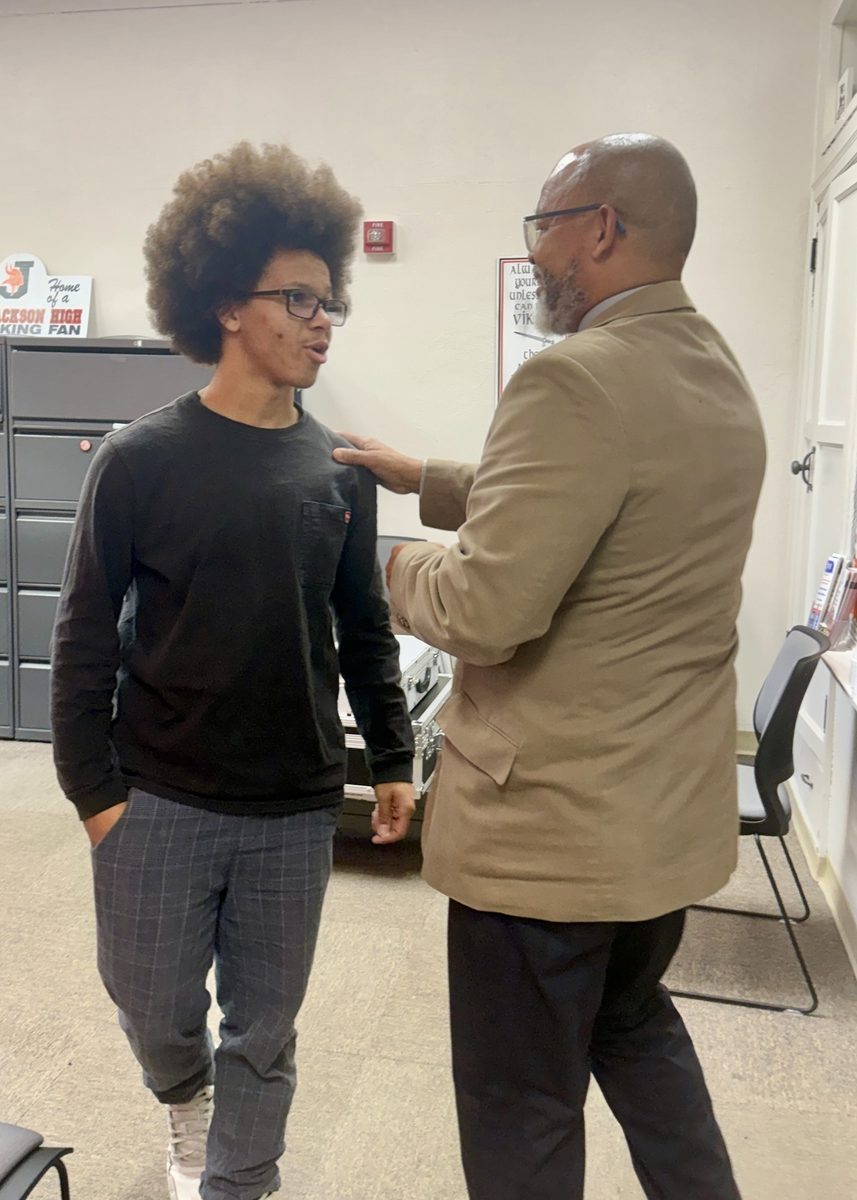
“They remain in the ecosystem of being a Viking,” Willie explained.
One Pathways student put her experience more simply when I asked what she appreciated about the program. “The teachers see us and believe in me,” she said. “They’re actually here to help.”
Monica and Willie have also been thinking differently about what could count as learning. Rather than allowing courses and credits to completely define the experience, they talked about starting with what students were learning and demonstrating and then considering how that learning aligned with content expectations.
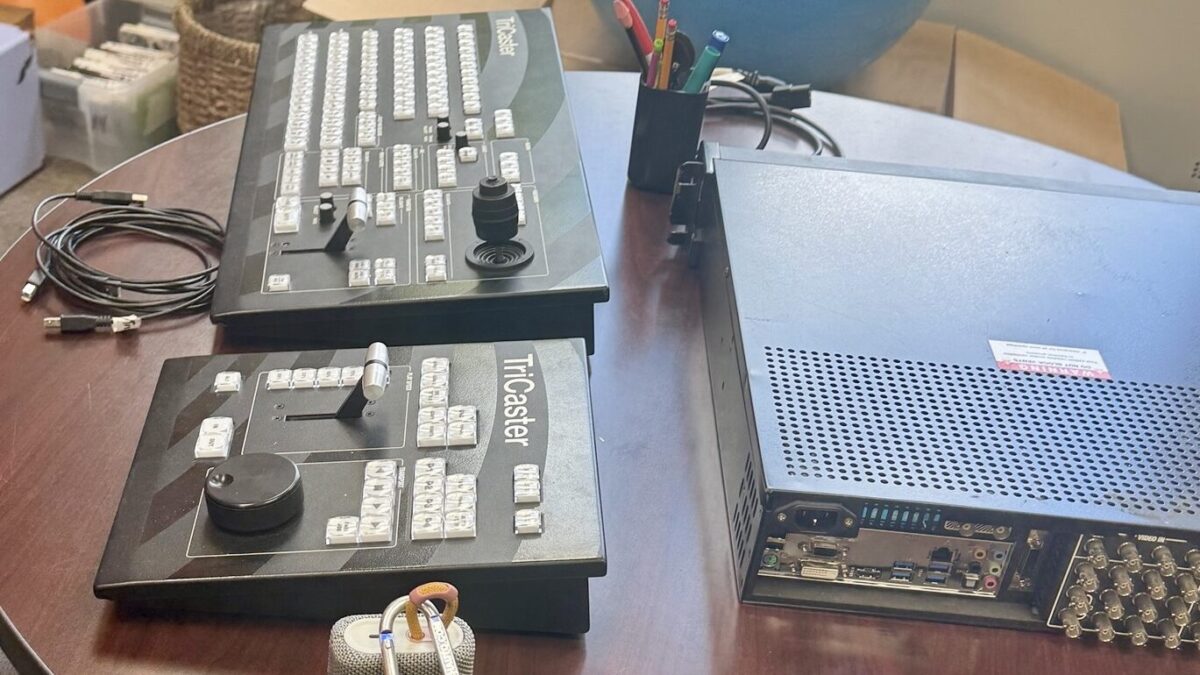
Knowing athletics are one reason many students come to school, Willie saw an opportunity in broadcast journalism. Students work cameras, manage video and replays, provide play-by-play and serve as analysts. A local television station provides equipment and opportunities beyond school.

Monica had heard some of the students working as analysts during a basketball game. She knew they were still learning. What stood out to her was “the fact that they have a voice.”
Willie told me about students learning to announce a swim meet. They weren’t sure how broadcasting would work in a natatorium, where it is usually so quiet. Rather than telling them what to do, Willie suggested they watch how professionals broadcast swimming, including at the Olympics, and try it themselves.
A few meets later, one of the students asked Willie, “Can I say other stuff?”
Willie’s response was simple. “Absolutely!”
A Placement Doesn’t Have to Become a Destination
Monica also connected me with Fred Parker.
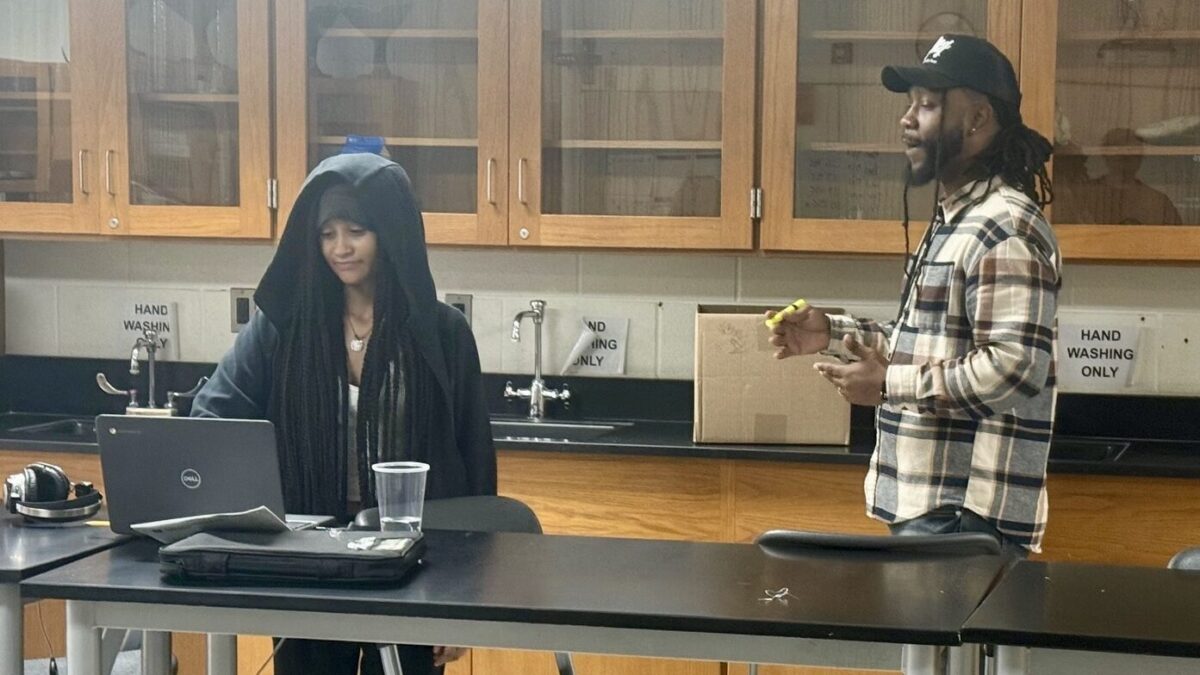
Fred leads South Central Michigan Virtual, another part of the learning ecosystem taking shape at Jackson. His students aren’t all in the same place academically, socially or emotionally, and the program isn’t designed as though they are.
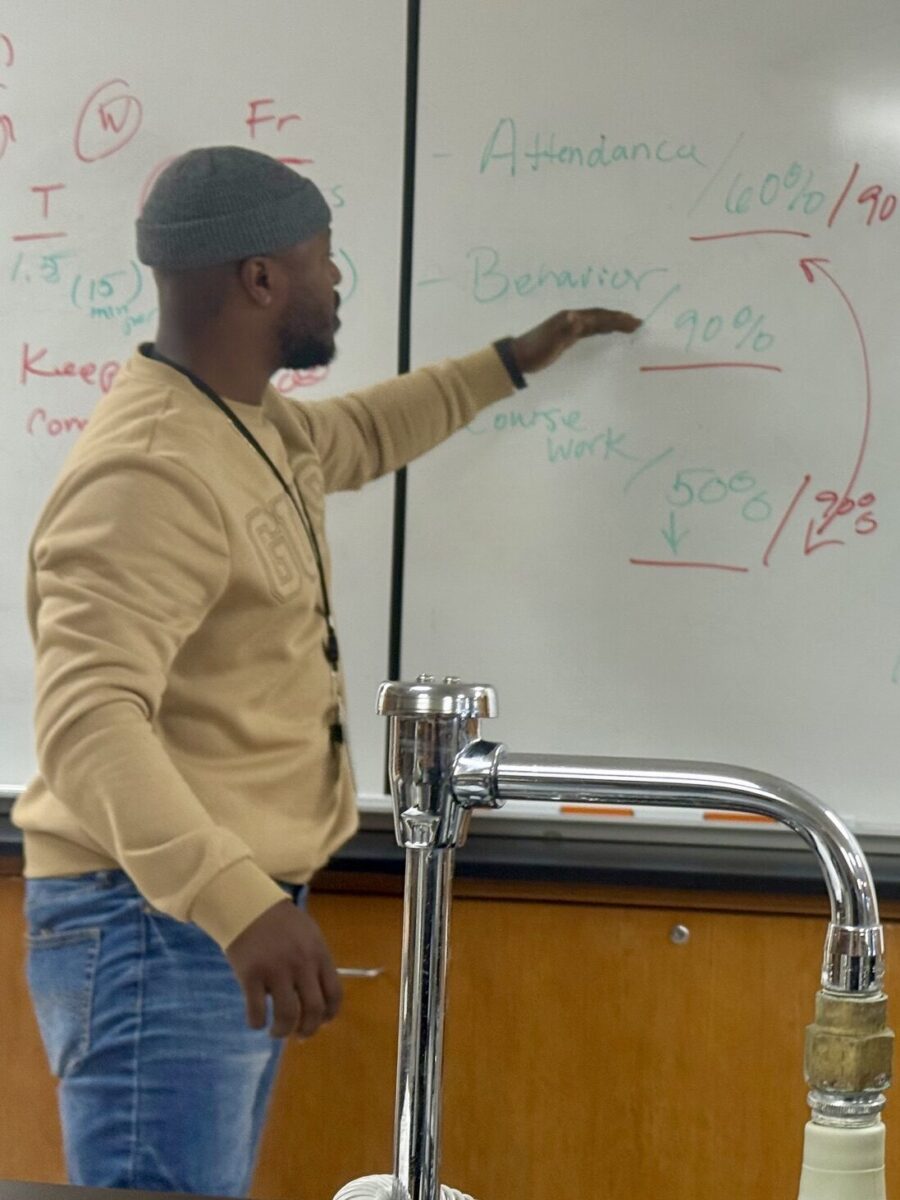
Fred described different cohorts and a set of success indicators they use as they learn about and support each student, including attendance, behavior, course completion and social-emotional growth. Those measures are part of a larger picture that includes a student’s strengths, interests and what might be possible next. As students grow and demonstrate readiness for new challenges and opportunities, their experience can change. Some may remain with the virtual program through graduation, while others transition into Pathways, Jackson High or both.
Fred contrasted that with what can happen when a student is placed into an alternative or virtual program and effectively disappears from the larger system.
“The virtual abyss,” he called it. “You go there, and there’s not a pathway back.”
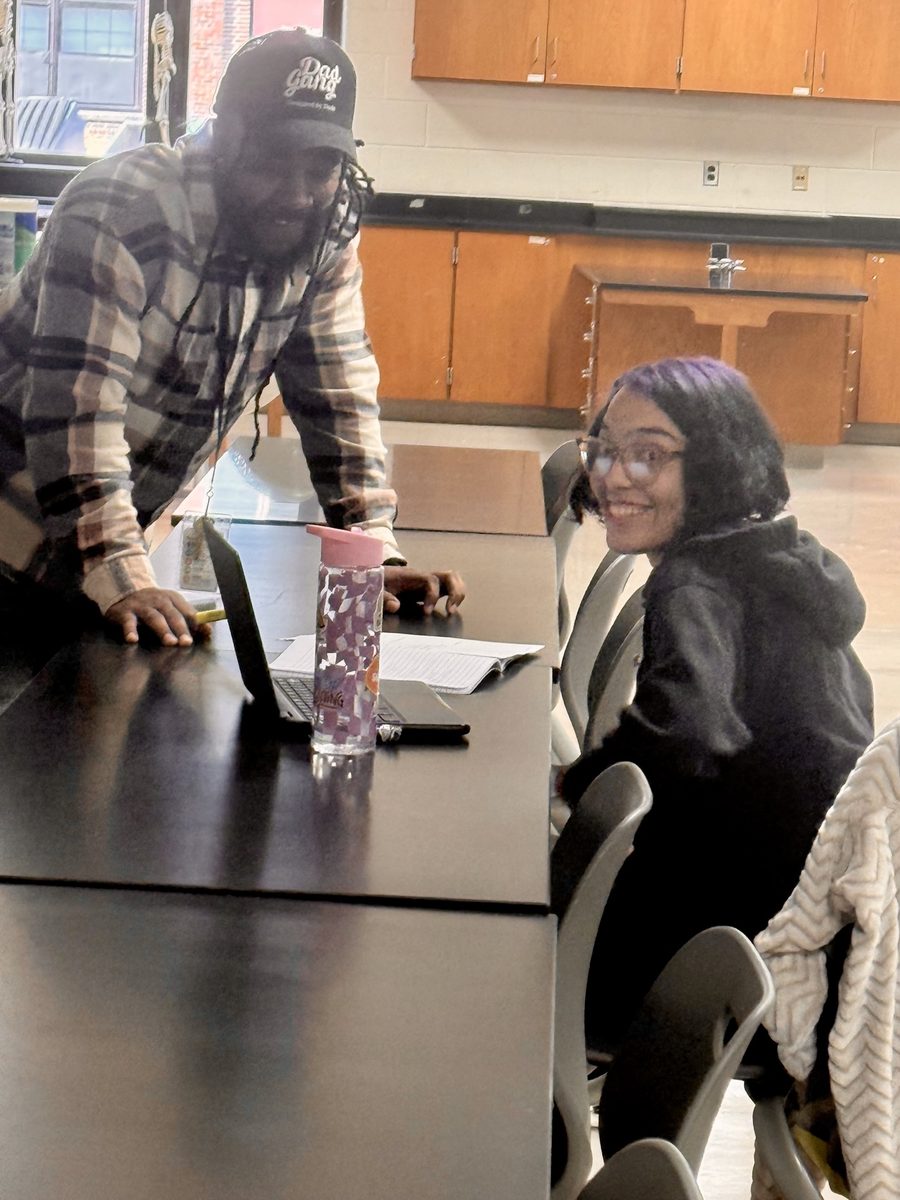
Monica, Fred and Willie were working together to make sure students had more than one pathway forward. The support around each student can look different. Behavior interventionists, success coaches, focus coaches and attendance coaches work alongside students, including people from the community who understand many of the experiences students bring with them.
Fred described a child study process that begins by trying to understand more than what brought a student into the program. They seek to understand the student by asking questions like, “Who are you? What do you like? What’s working? Who are the people in your life that matter? What has been getting in the way? What kind of lifestyle would you like to live as an adult?”
The questions help the team better understand what may be contributing to a student’s experience and what support might help. Fred explained why involving the student and family in that process matters. “We’re giving voice and agency back to the student and the family.” Fred talked about how many of these students have spent considerable time being told where they are going and what is going to happen to them.
From there, the support can change as the student does. A behavior intervention plan can change. The number of days a student comes into the building can change. A cohort can change. Fred even described a stamina-building cohort for students who aren’t yet ready for the expectations of another setting.
Changing Minutes
Near the end of my time with Fred, I found myself sitting beside and engaged in conversation with a student for more than seven minutes, the very same seven minutes his success coach was asking him to commit outside of school.
I hadn’t planned to interview him. I joined the conversation because I saw something familiar.
He was clearly capable, but he was also trying to figure out how to manage all the things competing for his attention. At school, with adults around him and the structure of the day helping hold his attention, he could do the work. At home, things became harder. There were chores, gaming and other demands on his time and attention.
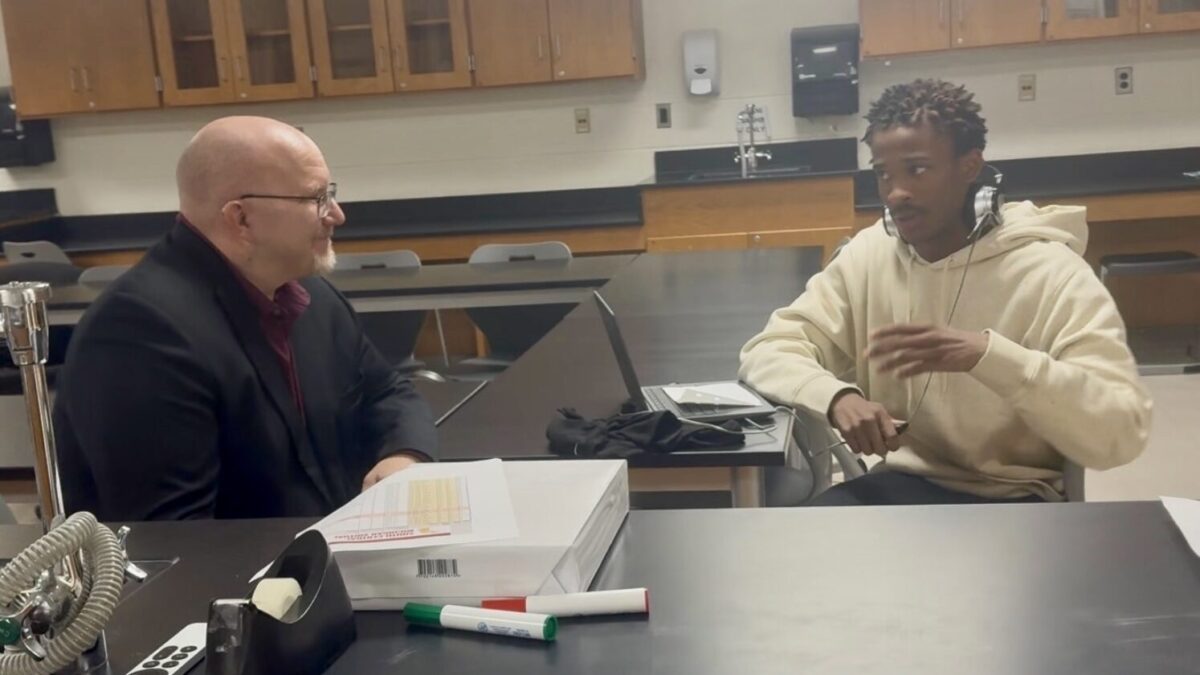
I saw a version of that student in myself. So I listened. The conversation wasn’t about pretending the distractions didn’t exist. But it also wasn’t about using them as a reason to lower the expectation. He knew what behaviors were contributing to where he was academically. The question was what he could do about them.
I told him something I had learned from my own experience. Attention and behavior are choices. When I began changing my behaviors, different opportunities began opening for me.
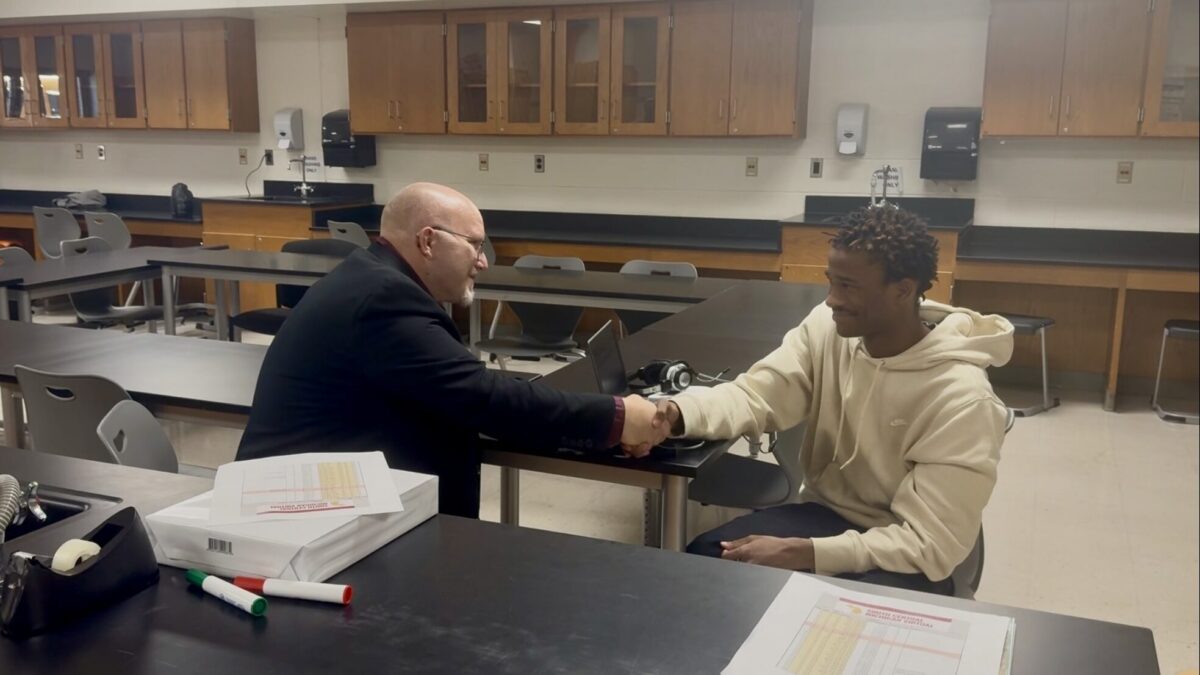
But changing everything at once wasn’t realistic. There is something I say often about progress: Where you are today is a good place to be. In fact, it’s the only place you can be. But it isn’t where you need to be tomorrow.
The point isn’t to ignore where you are or pretend that the things getting in your way don’t matter. It’s to start there.
“Rather than trying to change everything, change minutes.”
If he had three hours at home, could he find six or seven minutes to focus? Could six become 10? Could 10 become a little more as his stamina developed?
Fred had talked earlier about building stamina, and now I could see what that meant sitting beside one student. When the adults and structures were around him, he could sustain the work. When they disappeared, he had to begin developing more of that capacity for himself.
I shared something that had been shared with me years ago.
“Don’t let perfect be the enemy of progress. Take your next best step.”
Maybe showing up that day had been one. Maybe doing one assignment at home would be another. The distance between 50 percent and 90 percent didn’t have to be crossed in a single leap. It could be a collection of smaller choices made over time.
Before I left him, I asked whether he believed he mattered. He paused, looked me in the eye and nodded yes.
Then I asked, “Do you believe in yourself enough to do that?”
I don’t know what that student will do next. That’s his work.
The History Walking the Halls
There was one more moment before I left Jackson.
Throughout the afternoon, I had been struck by how many of the adults I met had once been students there. When I mentioned it to Fred, he talked about being a Jacksonian and why he and his wife had chosen to return home.
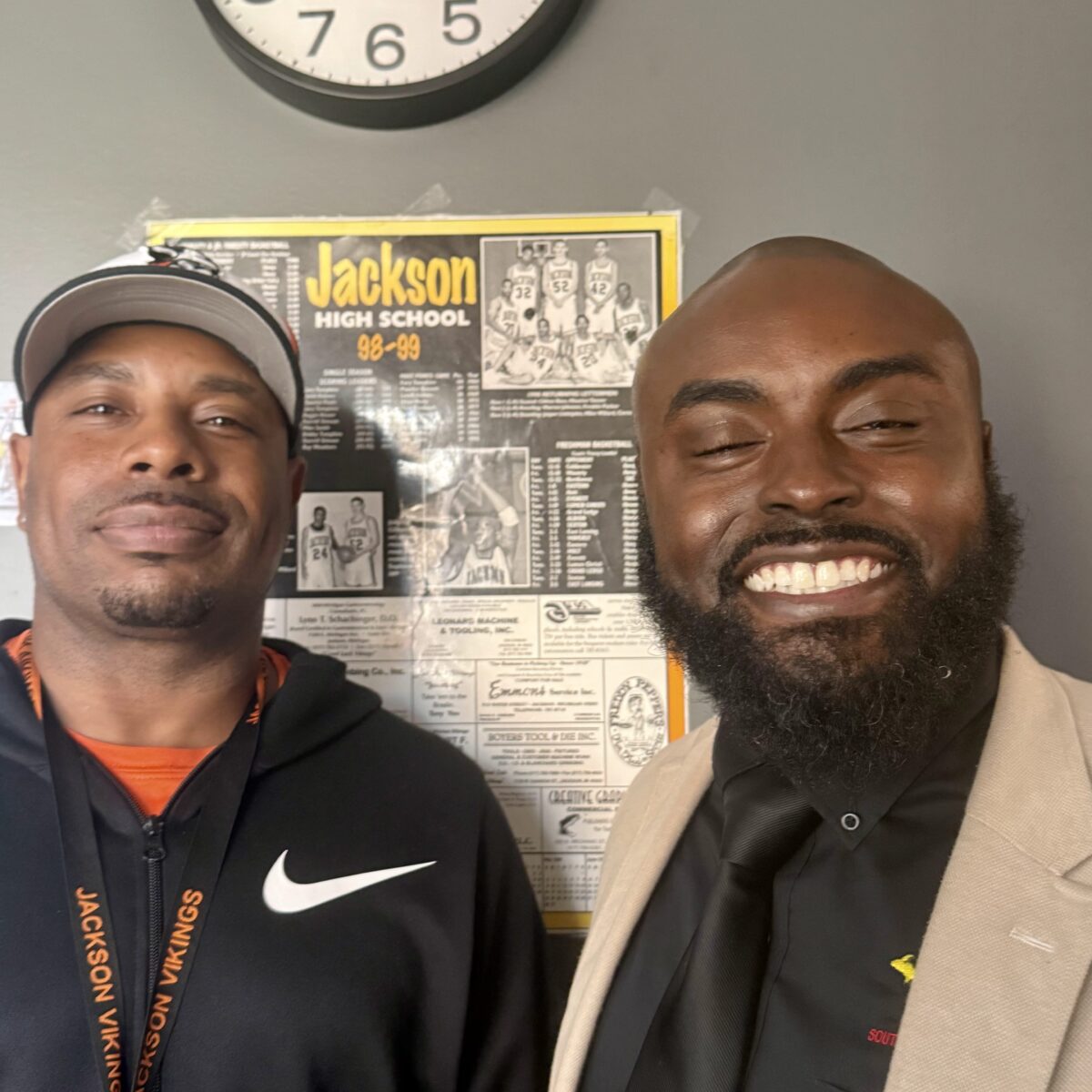
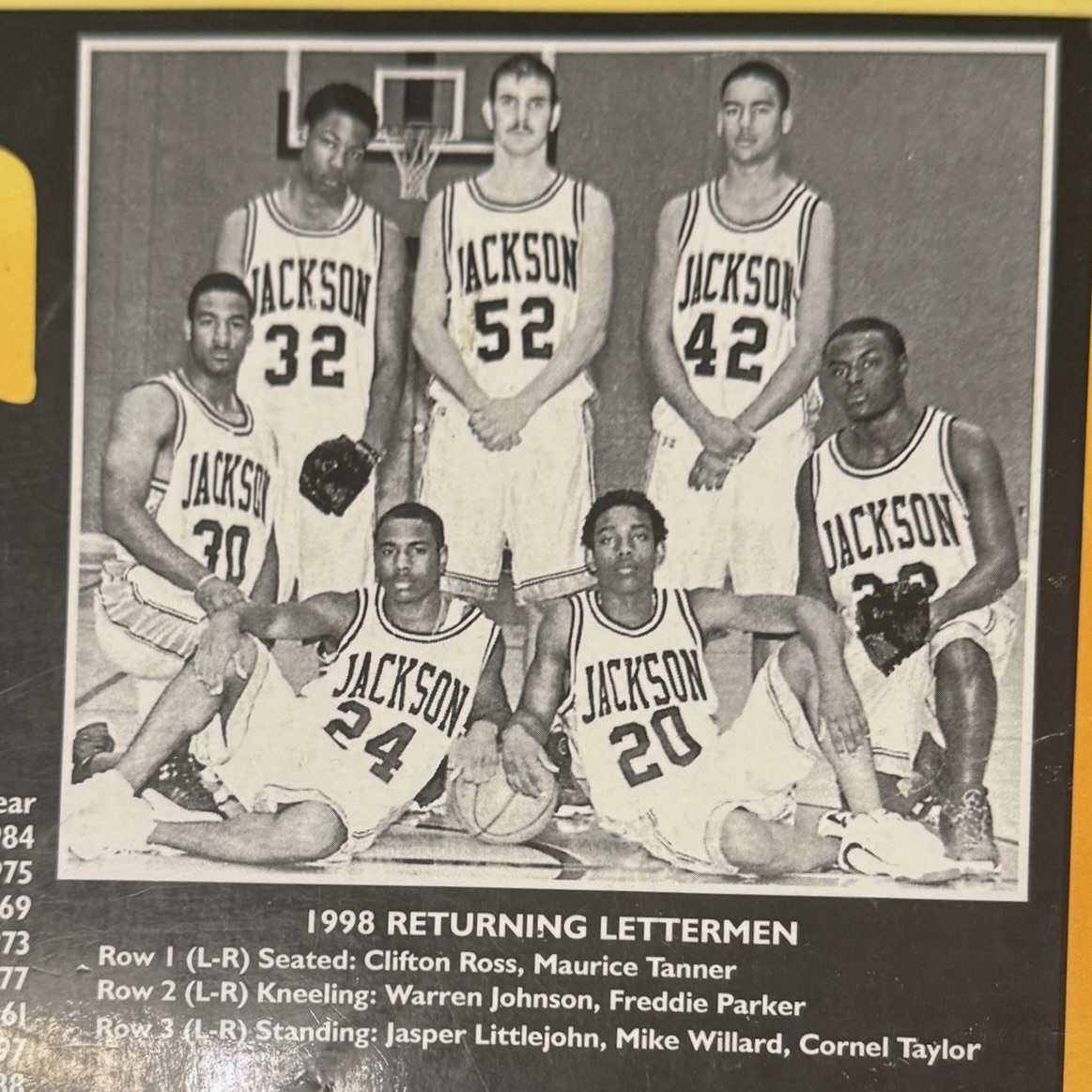
Near the end of the visit, as I was signing out, Fred and one of Jackson’s security guards were standing in front of an old photograph and schedule from the years when they had played basketball together. The history I had been looking at on the walls all afternoon was suddenly standing in front of me. They had once been students walking these halls, playing on these teams and figuring out who they would become. Now they were among the adults helping the young people walking those same halls figure out who they would become.
That brought me back to Monica.
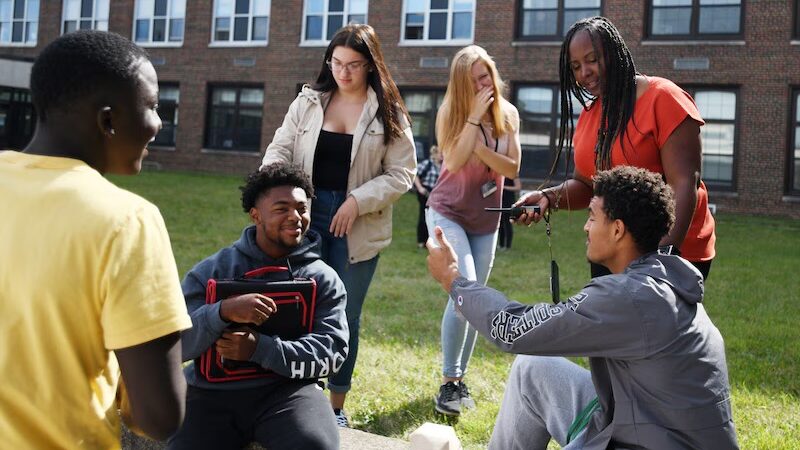
She too had once been a student here. Today she is responsible for leading a school filled with young people walking many of the same halls she once walked, each bringing their own experiences, strengths and needs. Her job isn’t to personally solve every problem they encounter, but to help create the conditions for students to find pathways forward and surround them with people who can support them along the way.
Some of those people are Jacksonians. Others have become part of the community. They don’t all serve students in the same way. An attendance coach reconnects a student who has stopped showing up. A German and theater teacher gives a student a place on the stage. Willie creates another way into learning. Fred and his team help students build the stamina for what comes next. What each brings is different. What they share is a willingness to begin with the student in front of them.
I had started the afternoon surrounded by reminders of Jackson High School’s past. By the time I left, I was thinking much more about how that history gets carried forward.
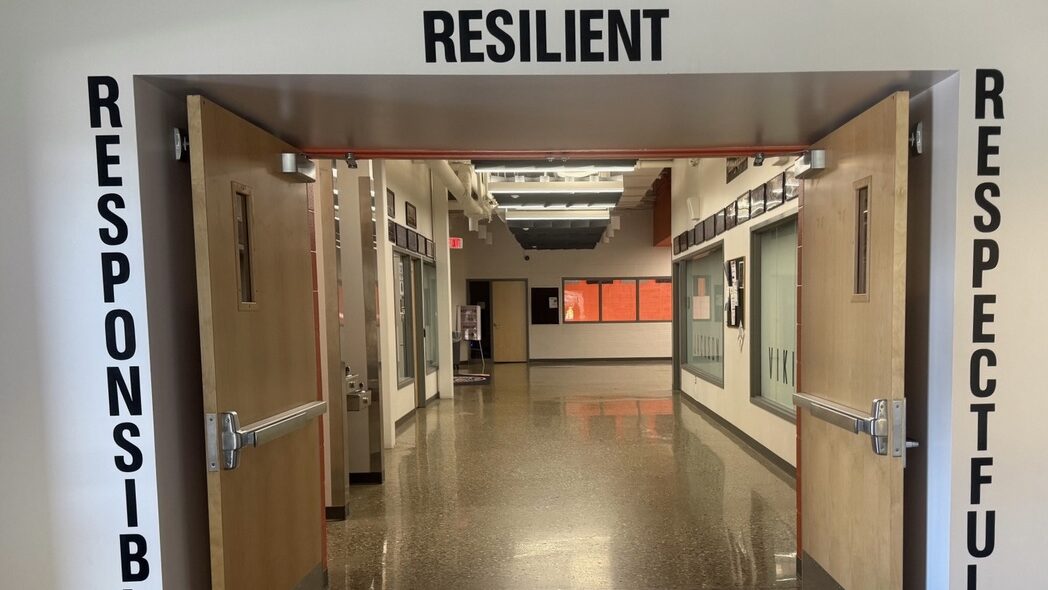
School culture can be written on walls. Jackson has its words too: respectful, responsible and resilient. Monica told me they repeat them every day. But culture becomes consequential when beliefs change behavior.
The people in those photographs didn’t simply pass through the building. Many came back. They are now creating the experiences, relationships and opportunities that will become part of someone else’s story.
Where those students are today matters. It is where they have to begin. But Jackson reminded me why it doesn’t have to determine where they go next.