
The Leadership “Island”
One of the things no one fully prepares you for when you become an administrator is how much your relationships change. As a teacher, you have colleagues you laugh with, problem-solve with and turn to when you need advice or just someone who understands your day. You share stories about your families, celebrate successes and work through frustrations together. Those relationships become part of what makes your school feel like home.

Then you become the principal and things change. Decisions carry more weight, conversations become more complicated and accountability replaces friendships in ways you may never have anticipated. You still care deeply about your people, but there are things you can no longer share and decisions you have to carry yourself. Leadership can often become a lonely place.
Susan Basso knows that feeling well, although she didn’t fully understand it when she began MASSP’s Path to Leadership program in 2018. She remembers wondering why so much of the learning centered on school climate, culture and relationships. After all, strong relationships had always come naturally to her as a teacher.
“I had no idea that when you transitioned to leadership, the easy connections teachers make with each other would become so much more difficult to make with staff members as their building leader,” Susan said.
It wasn’t until she experienced that transition herself that those lessons took on a different meaning.
“Being in leadership is extremely hard,” she said. “Often, I felt like I was on an island.”
Susan remembers wishing she had someone outside her building to talk with, someone who understood the complexities of leadership and could offer perspective without judgment. She needed a trusted person who could help her work through difficult situations while respecting the confidentiality that comes with the role.
Today, Susan has come to be that trusted person for another new administrator.
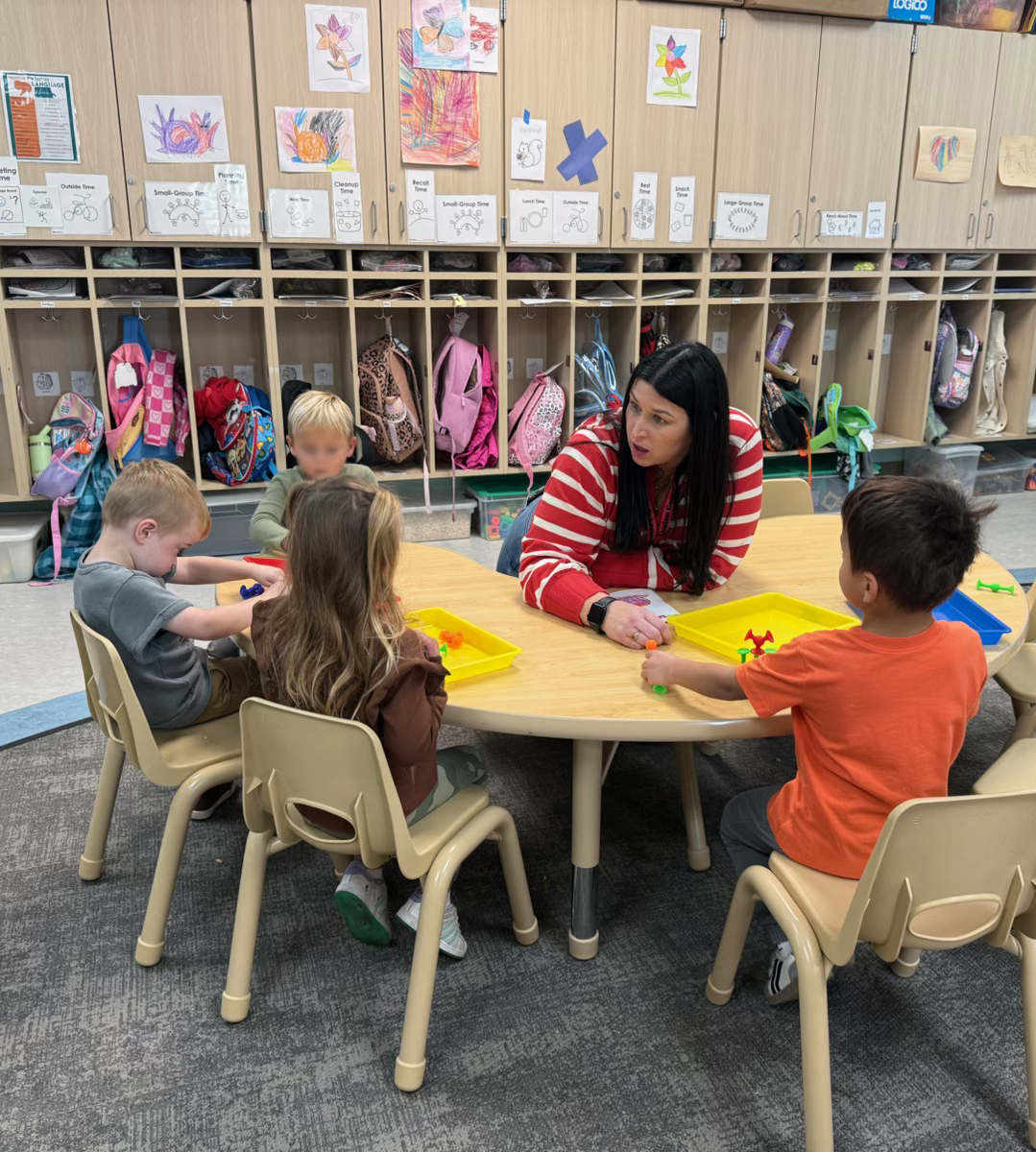
Having completed Path to Leadership and serving as a school leader, she is now a MASSP mentor coach, supporting Coley Barkey-Rowlands, Director of Linden Early Childhood Center.
What makes their connection especially meaningful is that Coley describes her own early leadership experience in almost exactly the same way Susan remembers hers.
“Leading an Early Childhood Center within a school district often feels like being on an island,” Coley said.
Full Circle Moments
Coley brings previous director experience to her role, but she is navigating a center that has experienced significant change. Her priority is building relationships, strengthening trust, and bringing staff together around a shared commitment to children and families. She understands that meaningful change doesn’t happen simply because a leader has a vision, it happens when people feel heard, valued and included in the work.
That belief was tested as Coley began navigating unfamiliar union procedures and contract negotiations. She recognized how easily the situation could become an “us vs. them” conversation. Through her discussions with her mentor, Susan, she began approaching the challenge differently. Susan helped Coley switch her focus to transparency, active listening, and the shared purpose that brought everyone to the table in the first place: the students.
This example captures something important about mentoring. Susan didn’t need to solve the problem for Coley. She simply offered the experience, perspective and safe space Coley needed to work through it herself. Susan also recognized that mentoring has given her an opportunity to reflect on her own leadership journey. With the benefit of hindsight, she finds herself asking, “What could I have done differently? How could I have made a stronger impact on the school community?”
Those reflections are now helping another leader navigate situations Susan once faced herself. What she learned through experience becomes something she can share, making the journey a little less difficult for someone else. Coley understands the significance of that investment.
“None of us should have to start from scratch or figure out every tough situation in isolation,” she said. “Passing down what actually works in the field gives new leaders a foundation to stand on, and that’s how we make the whole profession stronger over time.”
We Learn, We Lead, We Reach Back
October is Principal Appreciation Month and our Principals deserve every celebration, thank you note and recognition that comes their way. The work Principals do matters tremendously, often in ways that go unnoticed. Yet what if one of the most meaningful expressions of appreciation is ensuring our leaders have the support they need long after October ends?
This includes creating opportunities for honest conversations, encouraging leaders to seek guidance without feeling that doing so somehow diminishes their competence and recognizing the responsibility experienced leaders have to develop those who will follow them. Susan believes this work begins long before someone becomes a principal.
“When a staff member has an interest in being part of a team, let them,” she said. “People surprise us all the time with their abilities.”
And she’s right. Sometimes the leadership potential we hope to develop is already sitting around our tables, waiting for someone to recognize it and extend an invitation. That’s the best part of Susan and Coley’s story. Susan once participated in a program designed to help prepare her for leadership. Years later, she’s drawing on her experiences to support another leader who is finding her own way. And Coley, in turn, is working to create the kind of collaborative culture where others have opportunities to grow. That is leadership development coming full circle.
It reminds us that our responsibility to grow as leaders doesn’t end when we earn the title, nor does our responsibility to help others grow. The relationships we build, the lessons we learn, and the time we invest in someone else can have an impact far beyond our own years in leadership. We learn, we lead, we reflect and then we reach back.
So yes, let’s celebrate principals this October, but when November comes, let’s keep going. Because the best way to appreciate leaders may be to make sure they always have someone in their corner and to help them become that person for the leaders who come next.
Are you interested in becoming or requesting a mentor coach?
To become a mentor coach:
👉 Click here to access our Mentor Coach Application
To request a mentor for yourself or an administrator:
👉 Click here to access our Mentor Request Form