
Reflections from Catalyst 2026: MTSS Reimagined
What does strong Tier 1 instruction look like in a secondary school? How do we know students are experiencing it consistently, and what role does the principal play in sustaining effective instructional practices?
These questions guided much of the learning at Catalyst 2026: MTSS Reimagined, where secondary leadership teams from across Michigan examined instructional practices and systems of student support. With Michigan’s PA 146 bringing renewed attention to literacy and MTSS, the conference challenged leaders to consider how they can strengthen the instruction students experience every day.
Teachers are essential to this work, bringing the expertise that shapes learning in their classrooms. However, moving effective practices from exploration to sustained, schoolwide improvement requires principals who understand the instructional work and remain actively engaged in supporting it.
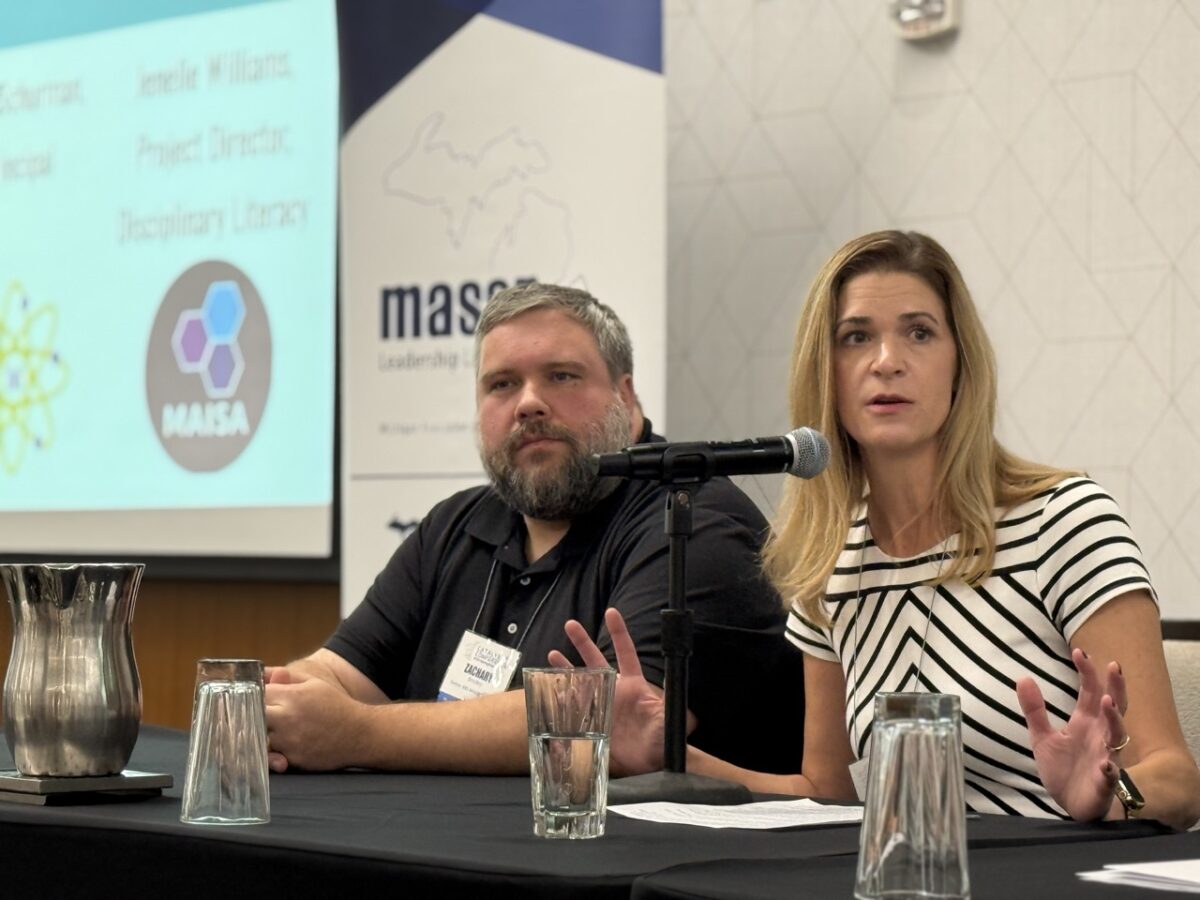
Jenelle Williams, Project Director of Disciplinary Literacy at MAISA, reinforced this message throughout Catalyst, emphasizing the importance of building leadership in sustaining disciplinary literacy practices. Participants explored Michigan’s 6–12 Disciplinary Literacy Essentials (click here to access the 6-12 Disciplinary Literacy Resources site) and experienced how students consume, construct, and communicate knowledge across disciplines. Apprenticeship in these skills looks different in science, history, mathematics, art, or PE, and principals need to understand those distinctions to support meaningful instructional improvement.
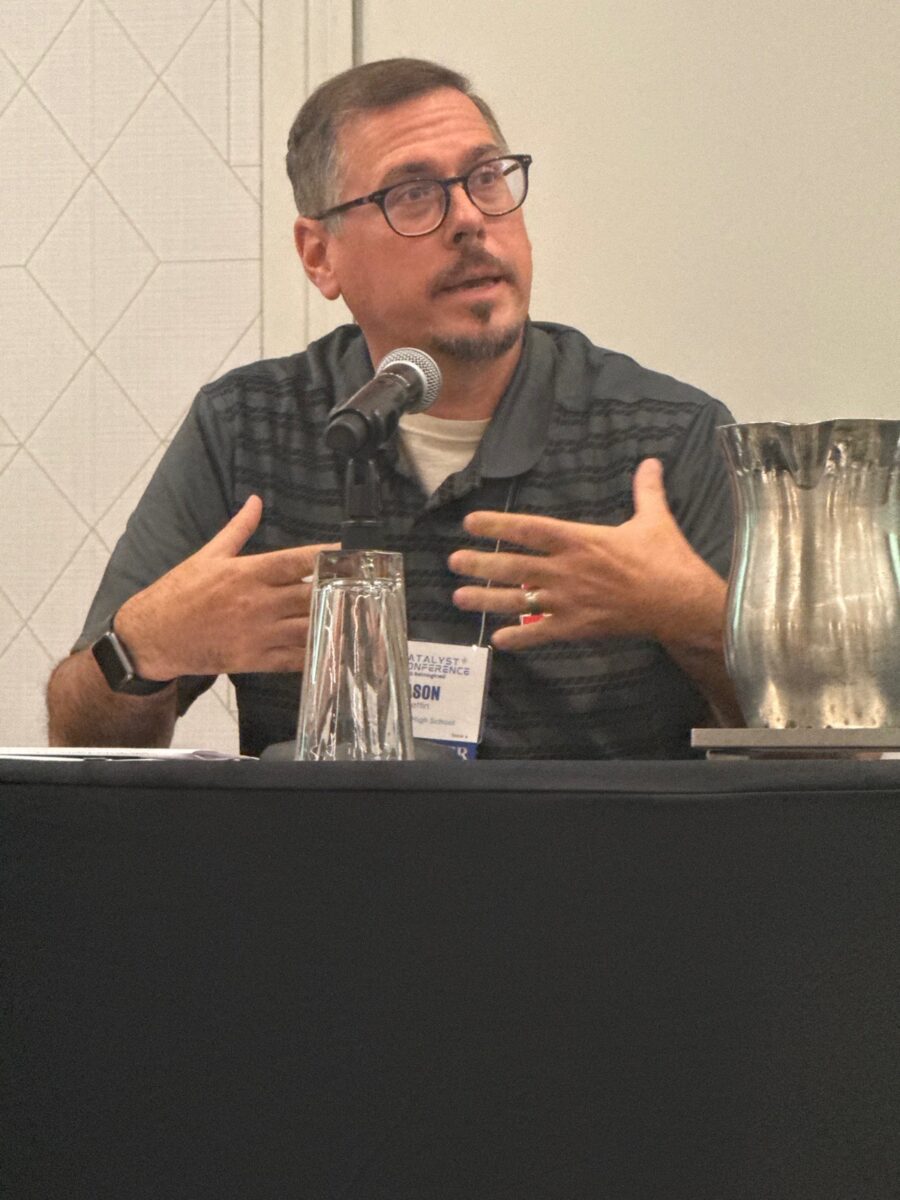
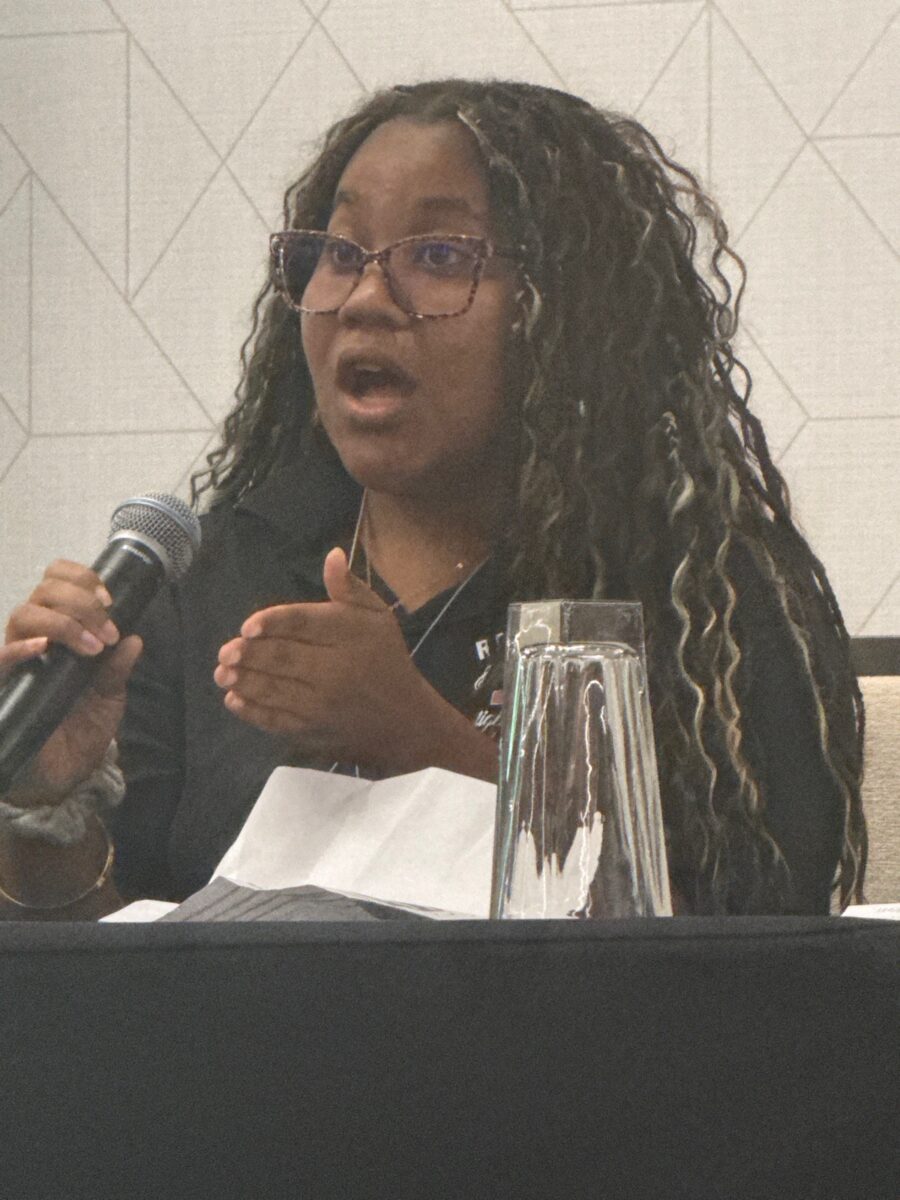
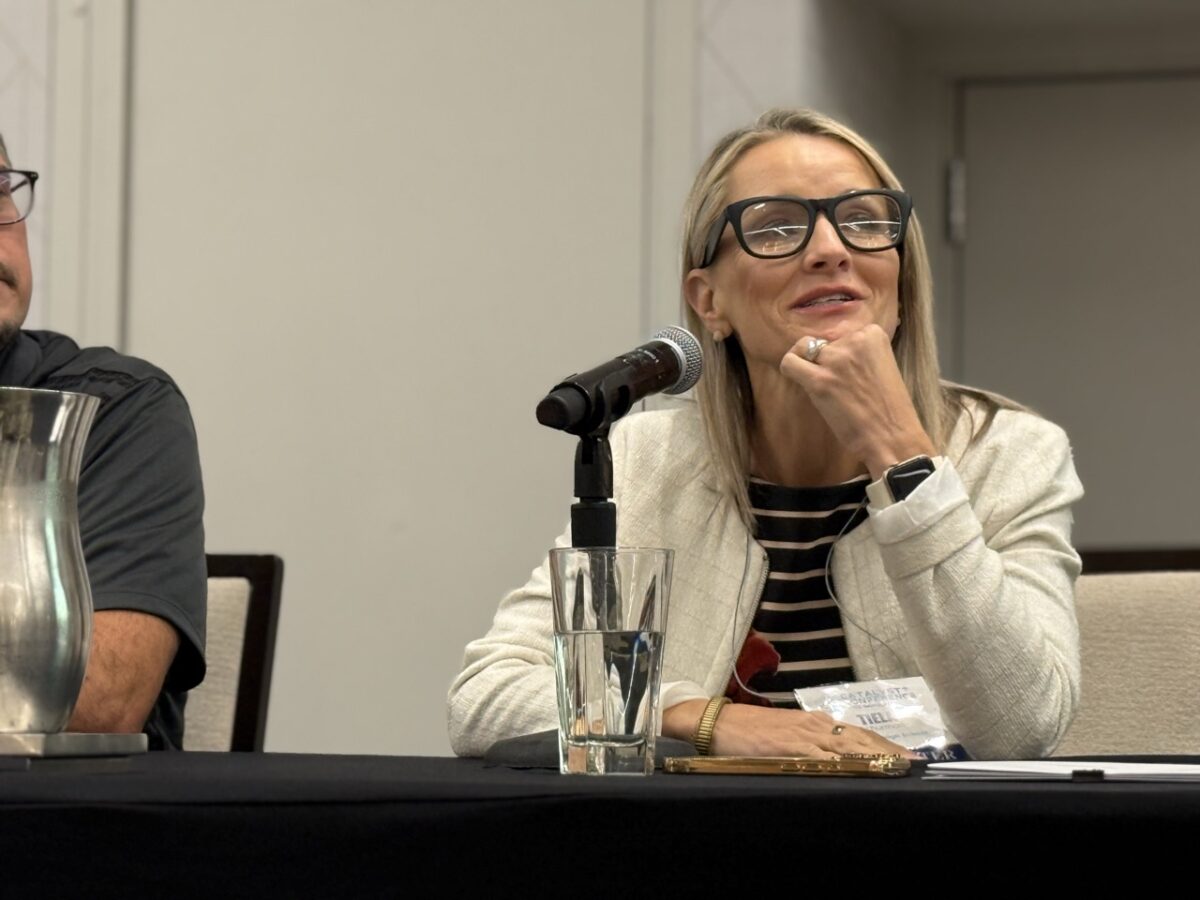
We heard similar perspectives from principals Jason Bettin of Roseville High School and Tiela Schurman of Midland High School, along with AP Zach Bradley of AGS Middle School in Fenton. Their experiences reinforced the importance of building leaders who understand effective instruction, create opportunities for teachers to learn together, and keep the work moving forward.
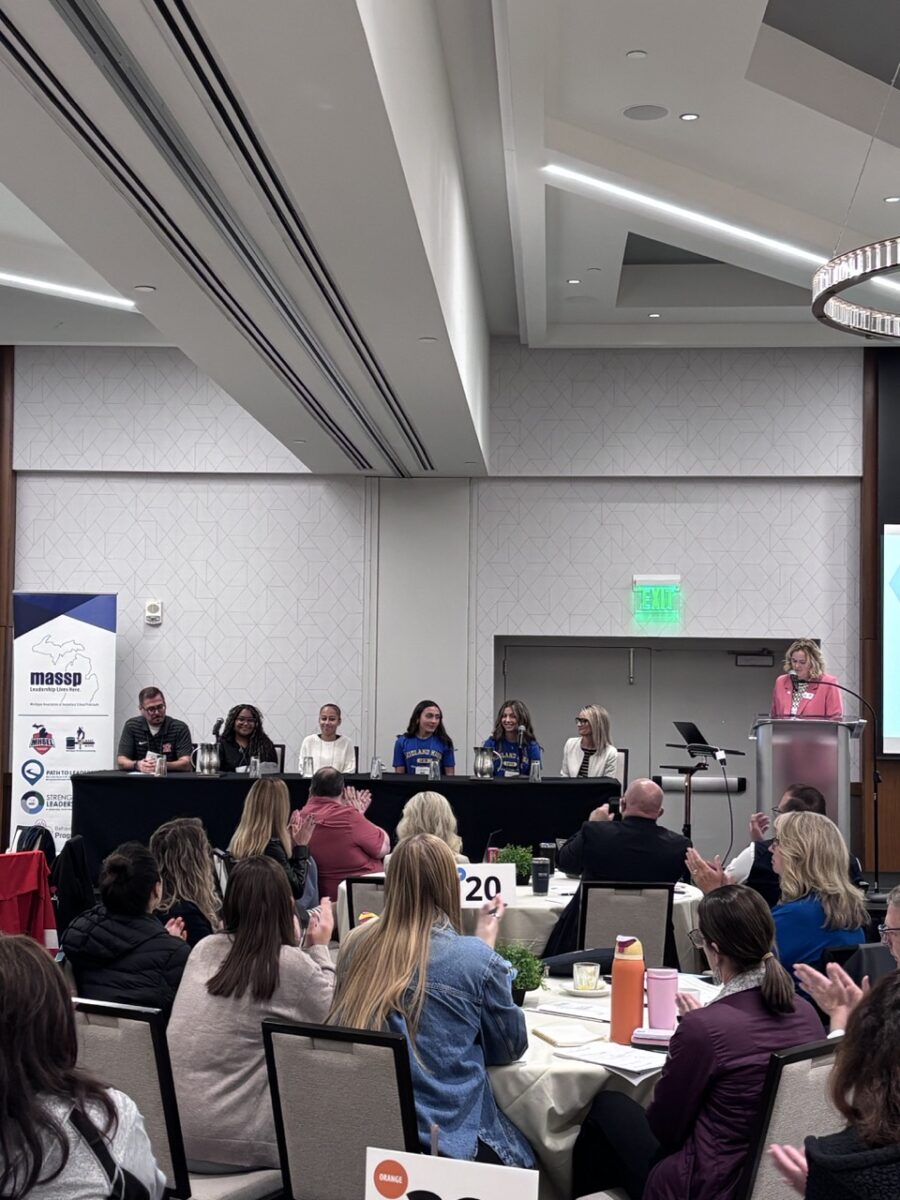
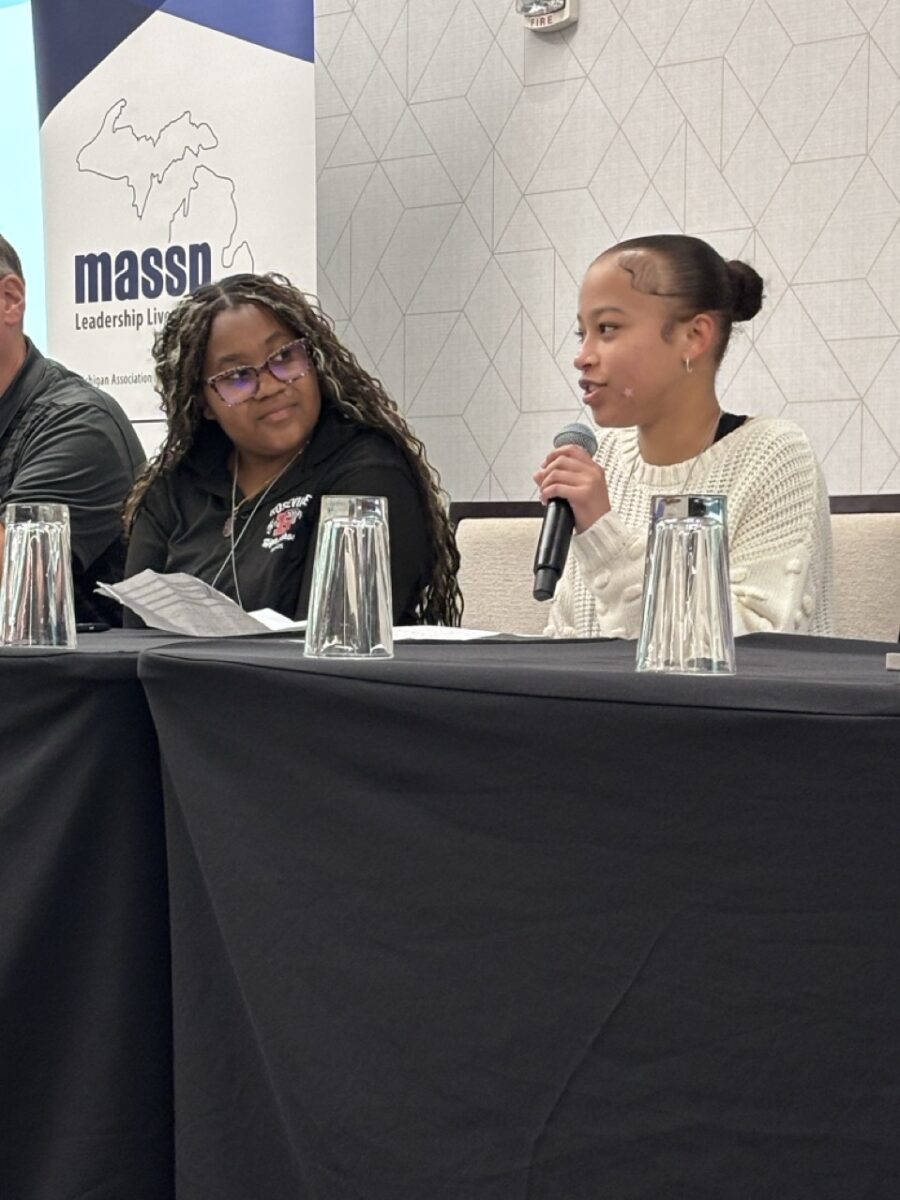
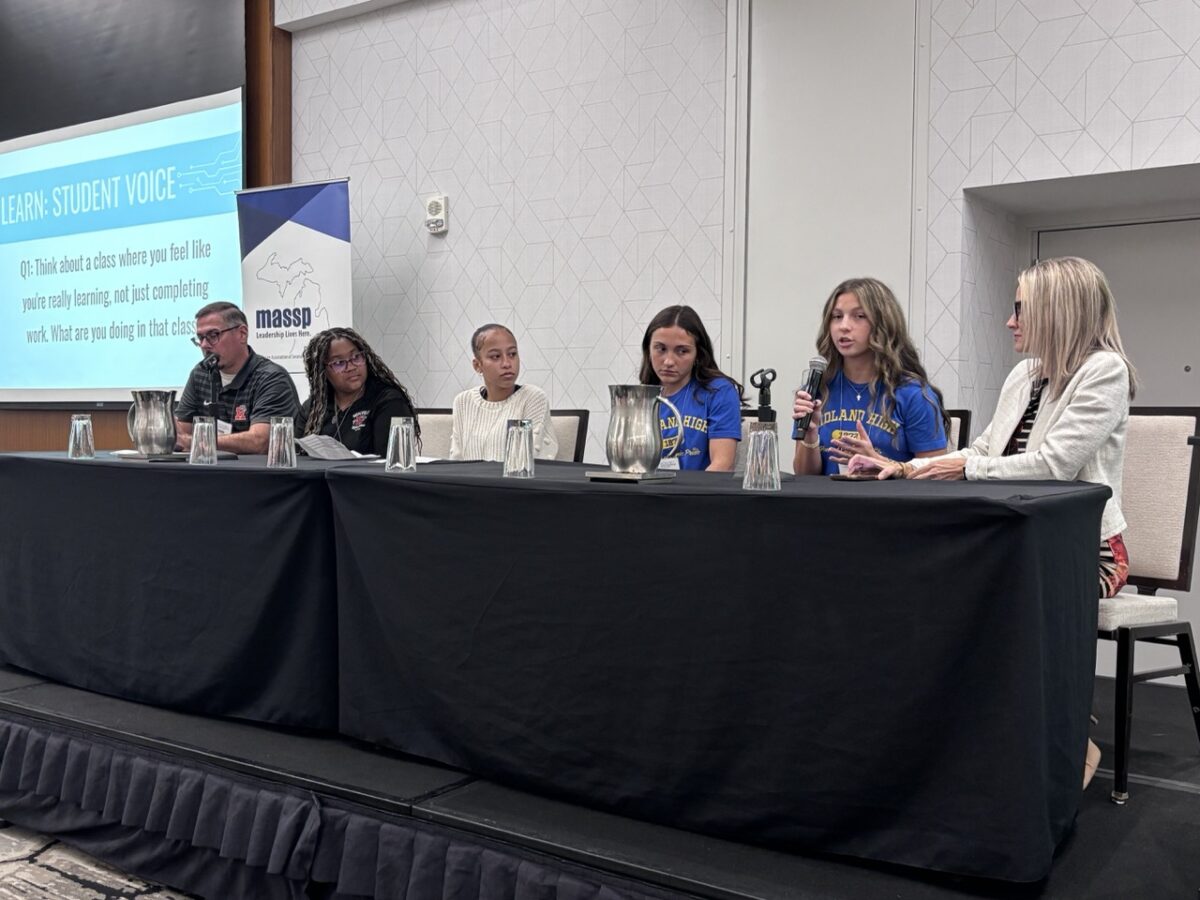
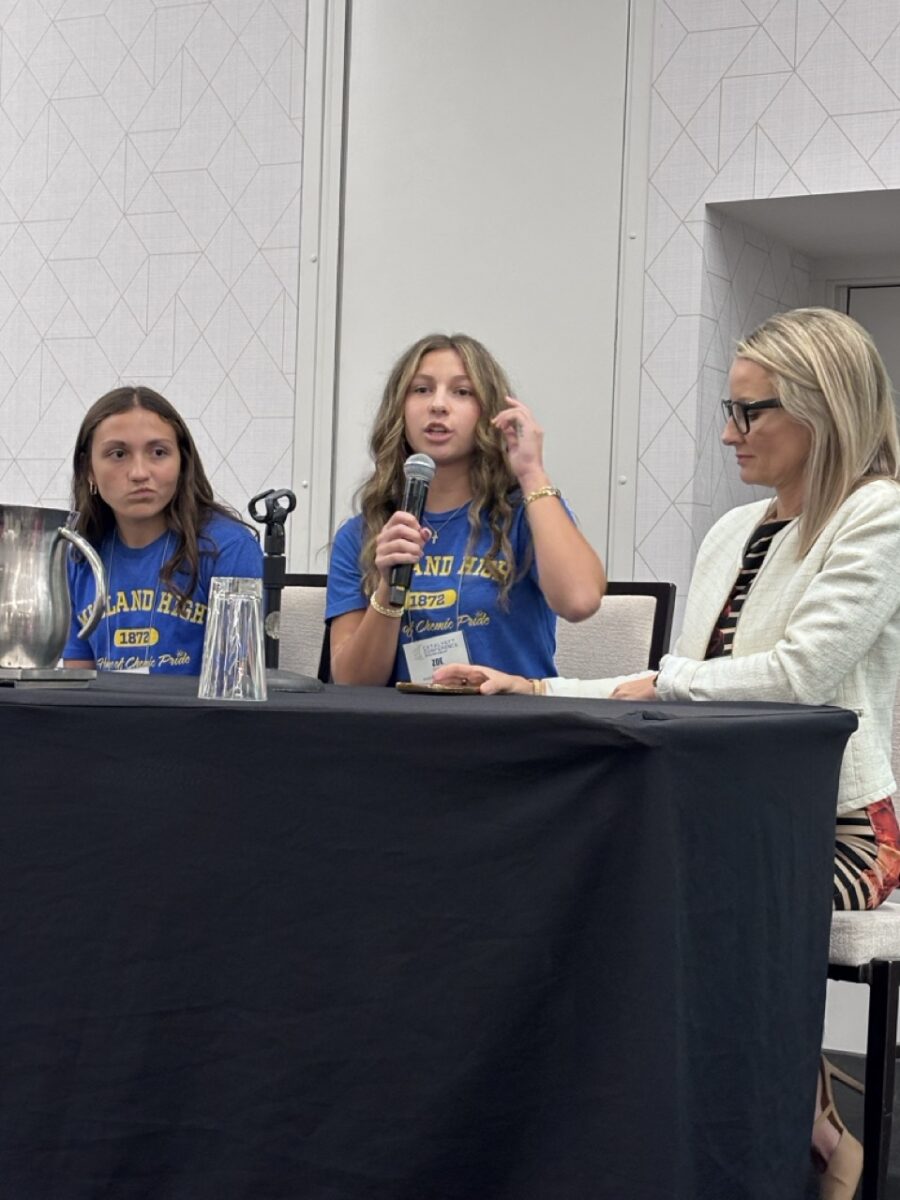
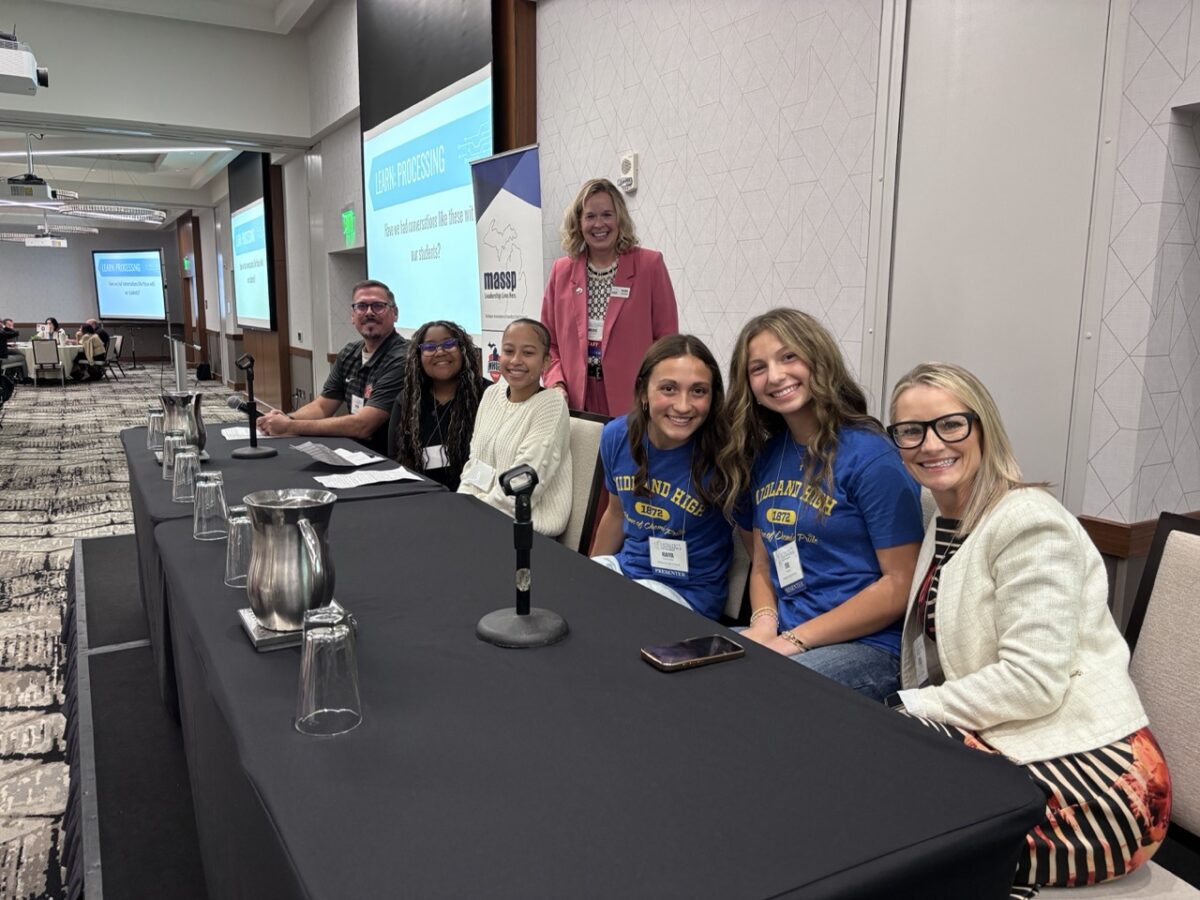
Learning from the Students We Serve
One of the most valuable experiences at Catalyst was hearing directly from students about their learning and the systems intended to support them. Their perspectives challenged leaders to consider whether the instruction and supports adults believe they have designed align with what students actually experience.
Principals can bring this approach into their own schools. Inviting students to discuss when they feel challenged, what helps them understand difficult material, and what happens when they struggle can reveal important differences in learning experiences across classrooms.
Paired with an examination of instructional tasks and student work through the lens of the Disciplinary Literacy Essentials, these conversations provide an opportunity for teachers and leaders to identify effective practices, recognize inconsistencies, and determine where instructional improvement is needed.
From Exploration to Sustained Improvement
At Catalyst, leadership teams used their learning and student perspectives to develop a Theory of Action and identify priorities for improvement. Schools can replicate this process by identifying an instructional challenge, gathering evidence from students and classrooms, and engaging teachers in exploring practices that respond to what they learn.
The principal’s role becomes especially important as this work moves beyond initial professional learning. Sustained improvement depends on leaders who protect time for collaboration, maintain a clear instructional focus, and regularly return to evidence of student learning. Without that attention, promising practices can lose momentum as other priorities emerge.
Catalyst offered an opportunity to examine Tier 1 instruction and consider what stronger disciplinary literacy could look like across our secondary schools. The challenge now is to bring that inquiry into our buildings, where teachers can deepen their practice and principals can create the conditions for improvement to take hold.
Strong Tier 1 instruction provides the foundation for a coherent MTSS framework, while targeted Tier 2 and Tier 3 interventions remain essential for students who need additional support. Both require informed, engaged leadership.
Continuing the Learning
Disciplinary Literacy for Secondary Leaders | Self-Paced Virtual Course
Secondary leaders can deepen their understanding of Tier 1 disciplinary literacy through five asynchronous modules developed in partnership with MAISA, GELN and MASSP. Available through Michigan Virtual, the course can be completed at your own pace. Learn more and register through Michigan Virtual (click here to access the Disciplinary Literacy for Secondary Leaders course page).
Tier 2: What to Do? | Free Webinar, December 1, 9:00–10:00 a.m.
Join MASSP and Jill Maneice, Secondary Consultant with Oakland Schools, for a practical look at PA 146 requirements for Tier 2 and Tier 3 supports, including research and considerations for secondary reading screeners and interventions.
Save the date! More information and registration details are coming soon.