
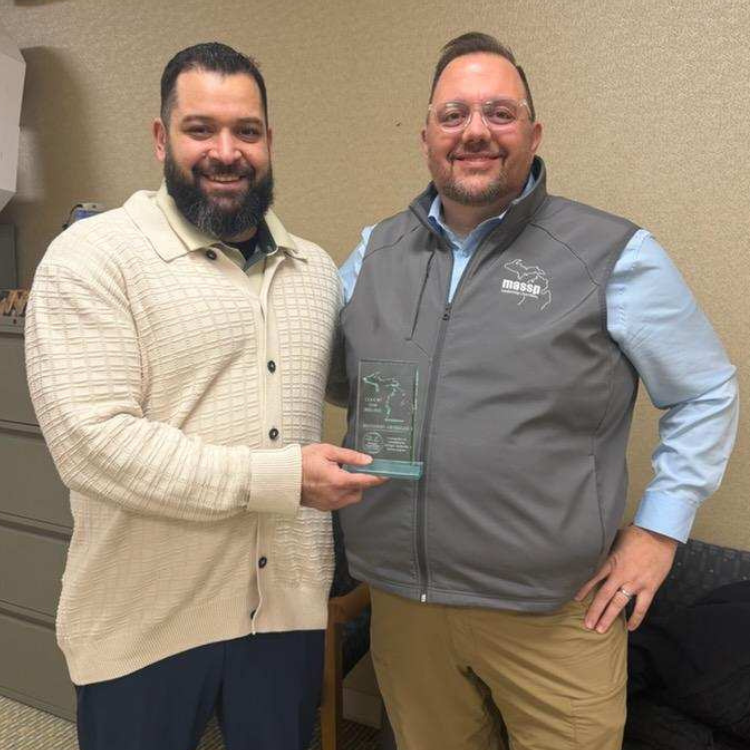
I recently had the privilege to visit my friend and graduate of the inaugural Michigan Leadership Fellows cohort, Mohamed Abusalah, Principal of McCollough-Unis Elementary and Middle School (K-8), and I left with renewed faith in our schools and our process. I am an advocate for the work we do in schools, but sometimes you have an experience that makes you understand, at your core, why we do this work Last Friday, I felt it. I saw it. I believed it possible.
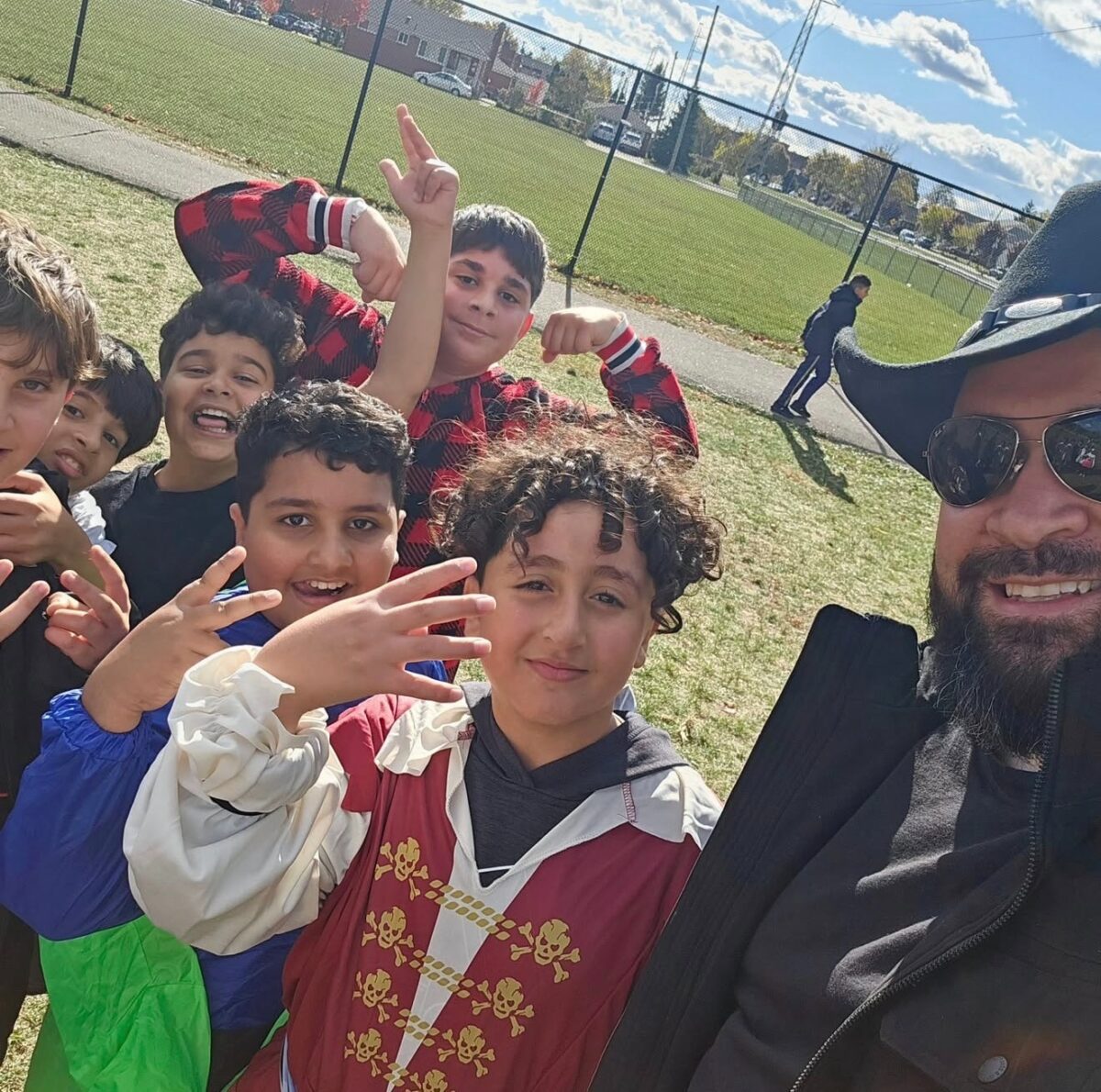
This is a school serving a fully low-SES community. Many arrive carrying trauma, instability, interrupted schooling, and unmet needs that do not fit neatly into improvement plans. And yet, as we walked the halls, every student either fist-bumped Principal Abusalah, hugged him, or made direct eye contact with the ease that only comes from trust.
That kind of culture is not accidental. It is not charisma. It is leadership with a behavioral edge.
Year One: Building the Structures of Success
Principal Abusalah is not an easy principal. He holds high expectations. He is demanding. He is consistent. He follows through. Those qualities are exactly why students trust him. In his first year, Mo focused relentlessly on stabilizing behavior and rebuilding culture. Principal Abusalah understood that his students and staff were craving structure. He set clear boundaries. He applied expectations fairly. He followed through every time. As he put it, “they say the school has never been quieter,” and he knows that the result of his leadership is a team of doers who felt empowered to change their school culture. The results were tangible:
- Fewer disruptions.
- Safer hallways.
- Stronger relationships.
- Students who began to trust adults again.
In a strong community that had endured some instability, predictability became safety. Safety became trust. Trust is making learning possible.
Trust Built Through Consistency and Predictability
While we were in Mo’s office, two students stopped by. One student comes in every day to spray different colognes from a drawer Mo keeps just for him. Imagine the affirmation that provides the young man, and as importantly, leveraging those boundaries to help facilitate a growth in connection between a student and his would-be-disciplinarian turned ally. Because he set clear guardrails, Mohamed is finding ways to connect with students who struggled in the past. In this case a student who was getting into fights weekly has not been in a fight since.
Another student, accompanied by a para, came in during his lunch. Another student learning to succeed with neurodivergence and significant instability outside of school, visits daily to look at a bicycle sitting in his principal’s office. Mo and the school resource officer purchased it to encourage the student to see what they could achieve with appropriate support. The bike is not a reward yet. It is a promise. If the student stays on a positive path, Principal Abusalah will do exactly what he said he would do. That positive relationship, all of the relationships, are built on trust because he delivers on his word.
Not because he is permissive.
Not because he is flexible.
Because he follows through.
Year Two: Why It Gets Harder
During our conversation, Mo shared something that stopped me.
“The second year is not easier,” he said. “It is harder.”
Year one required urgent, visible leadership focused on behavior, safety and culture. Year two demands something more complex and less immediately rewarding. Now the work is about leading learning.
With a stable culture in place, Mo is confronting the challenge of ensuring that students reach the level of achievement they are capable of reaching. This phase is no longer about setting standards. It is about seeing those standards through.That work is heavier. The first phase of leadership asks:
- What do we stand for?
- What will we tolerate?
- How will we treat one another?
The second phase asks harder questions:
- Are our systems actually helping students meet expectations?
- Who is being served well and who is quietly falling behind?
- Where must adult practice change to create real opportunity?
Equity at this stage is not philosophical. It is operational. If every student is capable of more, then:
- Curriculum alignment matters.
- Instructional consistency matters.
- Intervention systems matter.
- Adult follow-through matters as much as student effort.
Raising expectations is not enough. Leaders must build the conditions that make success possible.
The Same Leadership Behavior Extended
What stands out most is that Mo has not changed who he is as a leader. He has extended it. The same grounded consistency that stabilized behavior is now being applied to instructional systems. The same insistence on fairness is now focused on access and opportunity. The same follow-through that built student trust is now required of adult practice. This is the moment where many principals stall, retreating to what already feels successful.
Mo is doing the opposite. He is leaning into the harder work.
Why This Leadership Endures
Mohamed Abusalah’s success is not about personality. It is about behavioral intelligence. He understands his leadership preferences, owns them and applies them deliberately in service of students who need adults they can count on.
In a time when flexibility is often mistaken for compassion, his leadership offers a quieter truth. Sometimes the most loving thing a principal can give a school is solid ground. And the courage to build higher ground once students are ready to climb.
For more information on how MASSP can help your team develop its Behavioral Edge, email tom@massp.com or ryan@massp.com.