
Over time, principals learn to recognize patterns. You notice when a student who has never been in trouble suddenly starts missing class or when a teacher who is usually engaged becomes quiet during a staff meeting. Two students arrive in the office after a confrontation, each insisting the other started it. You walk into a classroom where students are nodding along as the teacher talks and appear engaged, but when you ask what they are learning, they can only repeat what the teacher just said.
Experience helps us notice things we probably would have missed earlier in our careers and make sense of complicated situations when there isn’t much time to stop and think. Most of the time, that serves us well. But when recognition becomes so automatic that we stop noticing where what we actually observed ends and what experience has taught us to expect begins, we can misread a question as resistance or turn an innocent interaction into a conflict. Sometimes we start solving a problem before we understand what is actually happening.
During a recent MASSP Board meeting, we asked members to pay attention to how they made sense of what they were seeing. They experienced two versions of a seventh grade science lesson about the seasons, one through direct instruction and another through inquiry. The contrast led to a deeper conversation about the difference between students being busy, compliant or even engaged and students actually doing the intellectual work of learning.
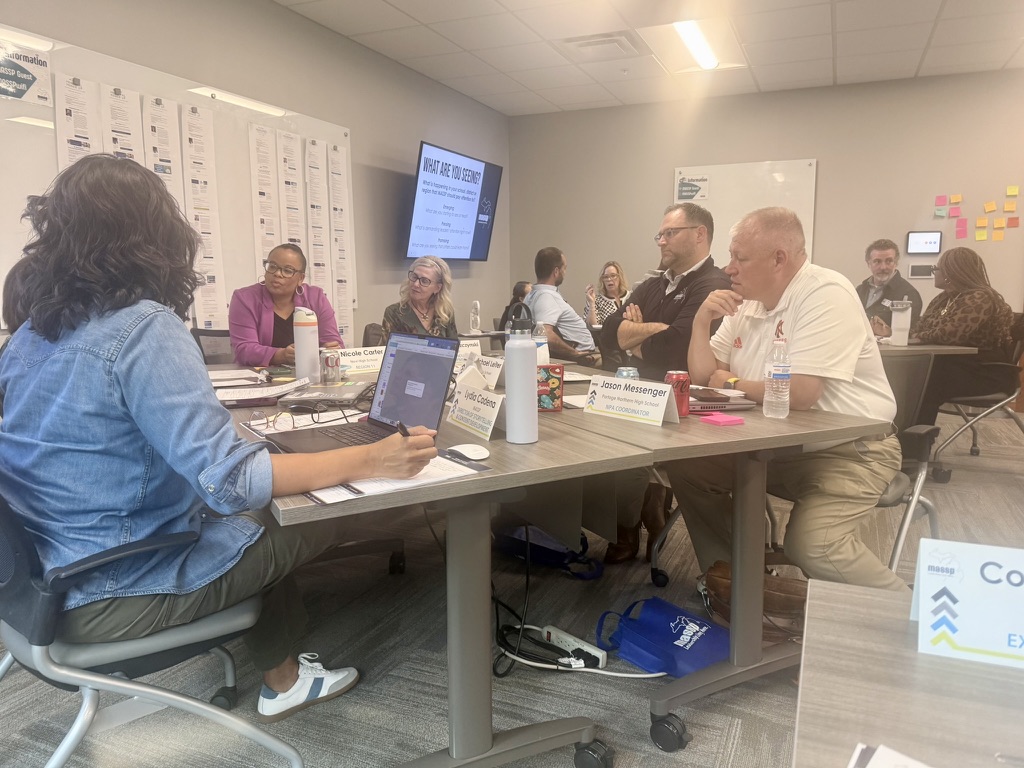
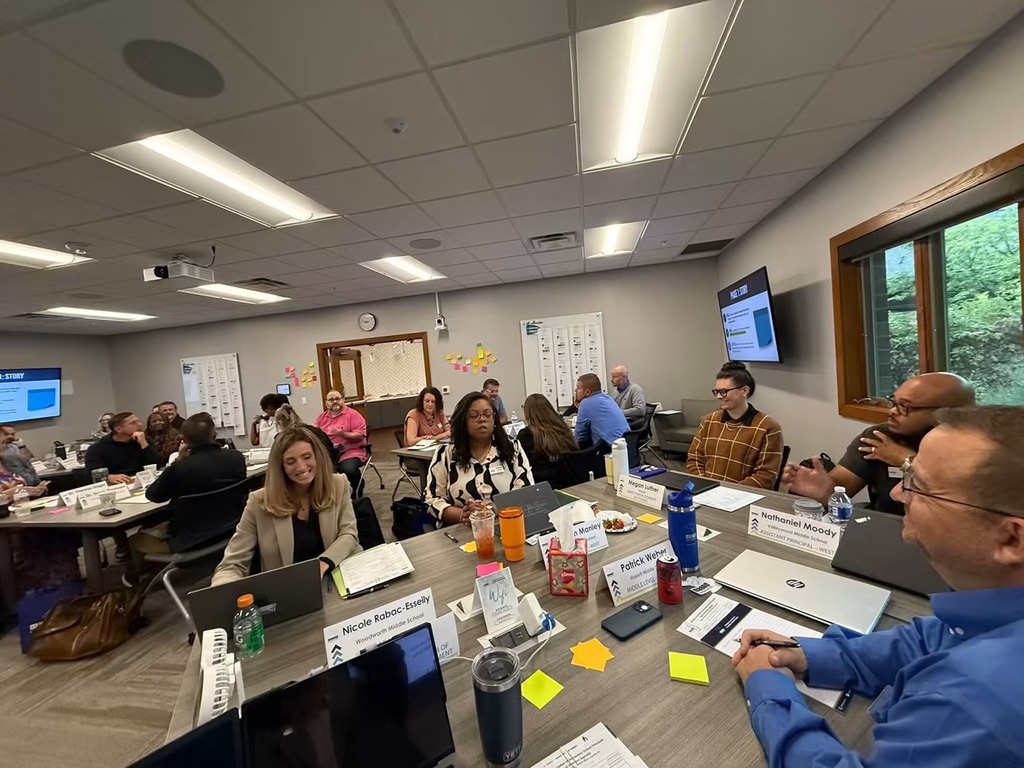
Later, we looked more closely at our own thinking. We started with an observation, something a camera or audio recording might have captured, and followed what happened next. We interpreted what we saw, made judgments about it and started thinking about solutions.
None of those things are inherently bad. Principals have to interpret, judge and act every day. The question is whether we leave enough space between what we observe and what we decide it means to discover something we weren’t already expecting to find.
What We Notice When We Keep Looking
At Forest Hills Central, Principal Jonathan Haga and his team have plenty of evidence that students are succeeding. The school has a strong college-going culture and many of the traditional indicators that suggest things are working. But by listening to students, staff and community members, Jon and his team began looking more closely at what students were actually experiencing and asking what else high school could make possible.
One answer is the Health Careers Academy. Students can earn college credit and credentials, learn alongside health care professionals and eventually enter clinical settings themselves. But when I talked with students, what stood out wasn’t simply what they could earn. They talked about actually doing the work and getting a chance to figure out whether this was something they wanted to pursue before investing years of their lives and thousands of dollars preparing for it.
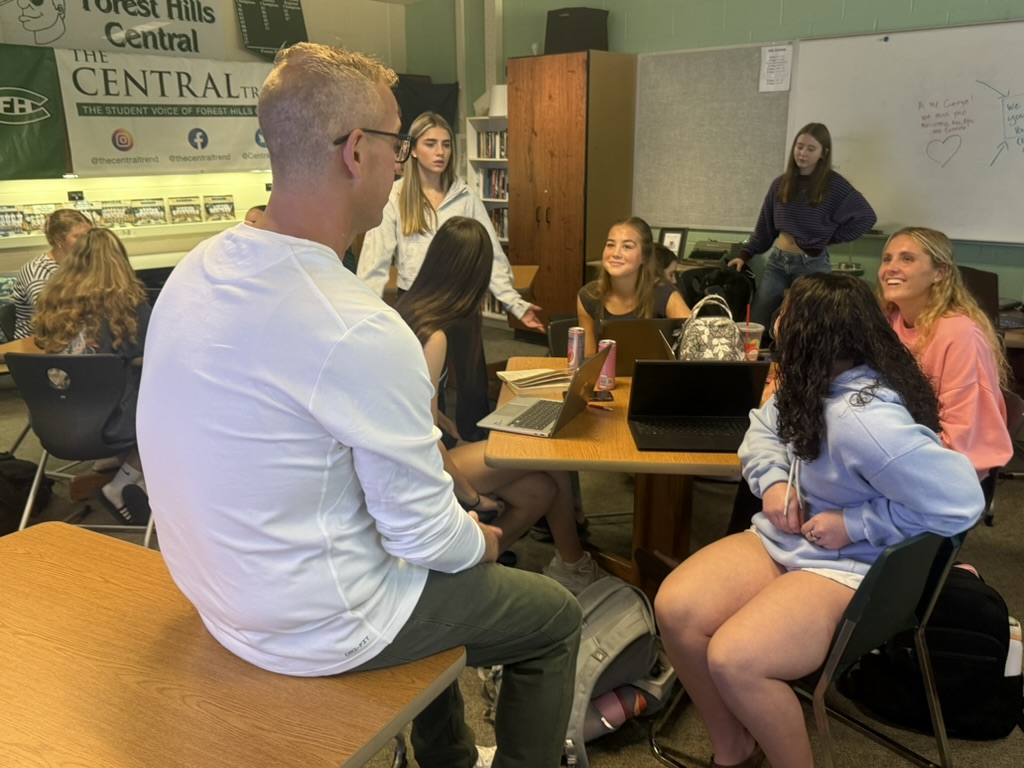
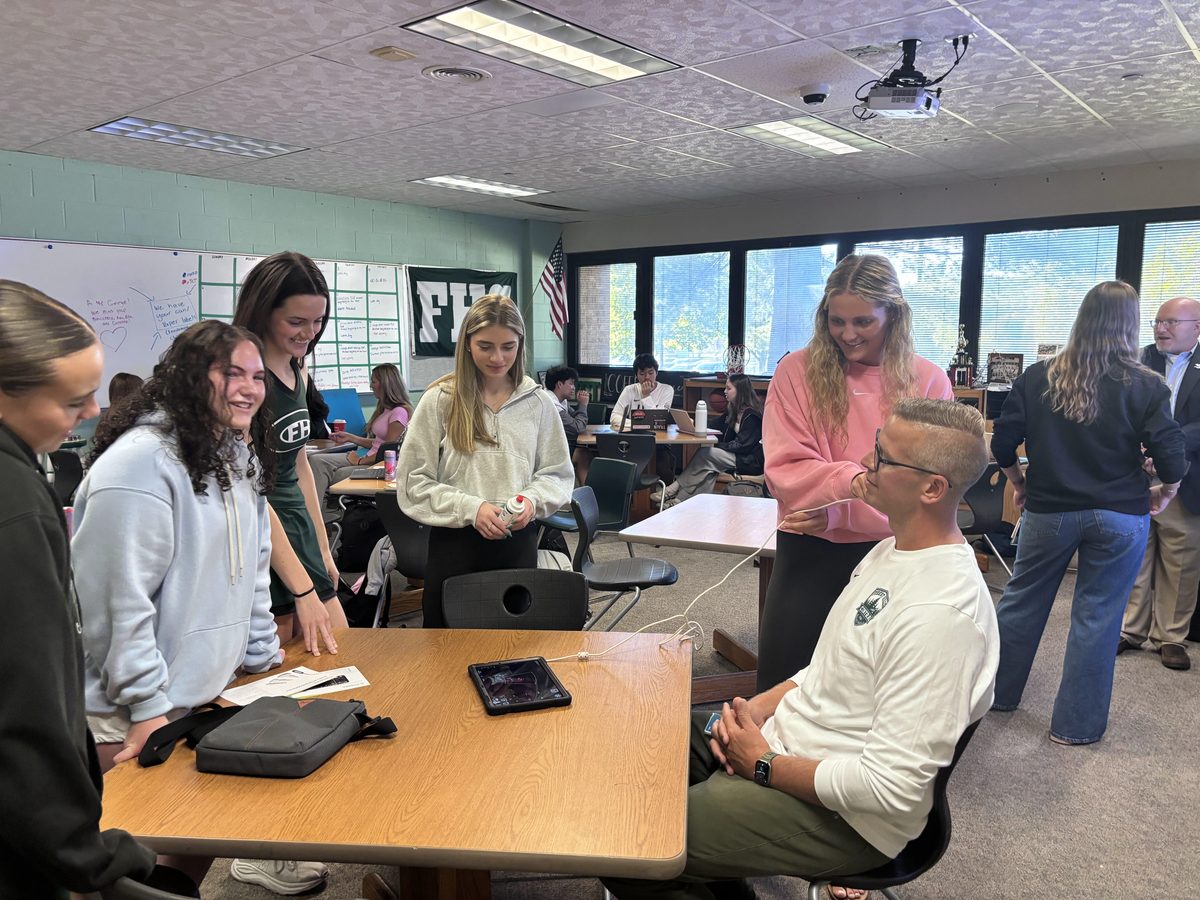
Jon hadn’t dismissed the evidence of success already in front of him. He just hadn’t allowed it to become the end of the inquiry.
Listening closely to students was just as evident at Jackson High School. When one student talked about where he was struggling, Principal Monica Pierce didn’t stay with the struggle. She reminded him of his strength in math and encouraged him to build from there. Knowing where a student is matters, but so does knowing enough about them to see where they might go next.
That same attention is reflected in the flexibility Monica has helped create around students. Students can move between different learning experiences while remaining connected to the larger Jackson community, with opportunity and support changing as needs change. One student described what that feels like from the other side: “The teachers see us and believe in me. They’re actually here to help.”
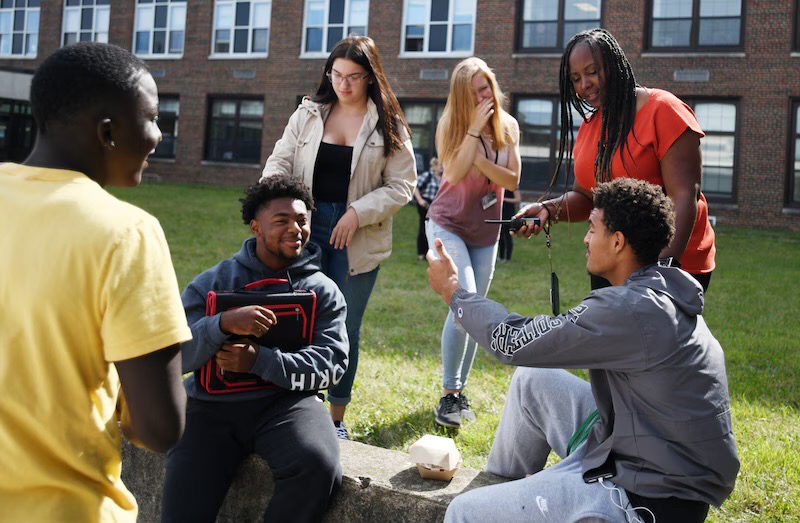
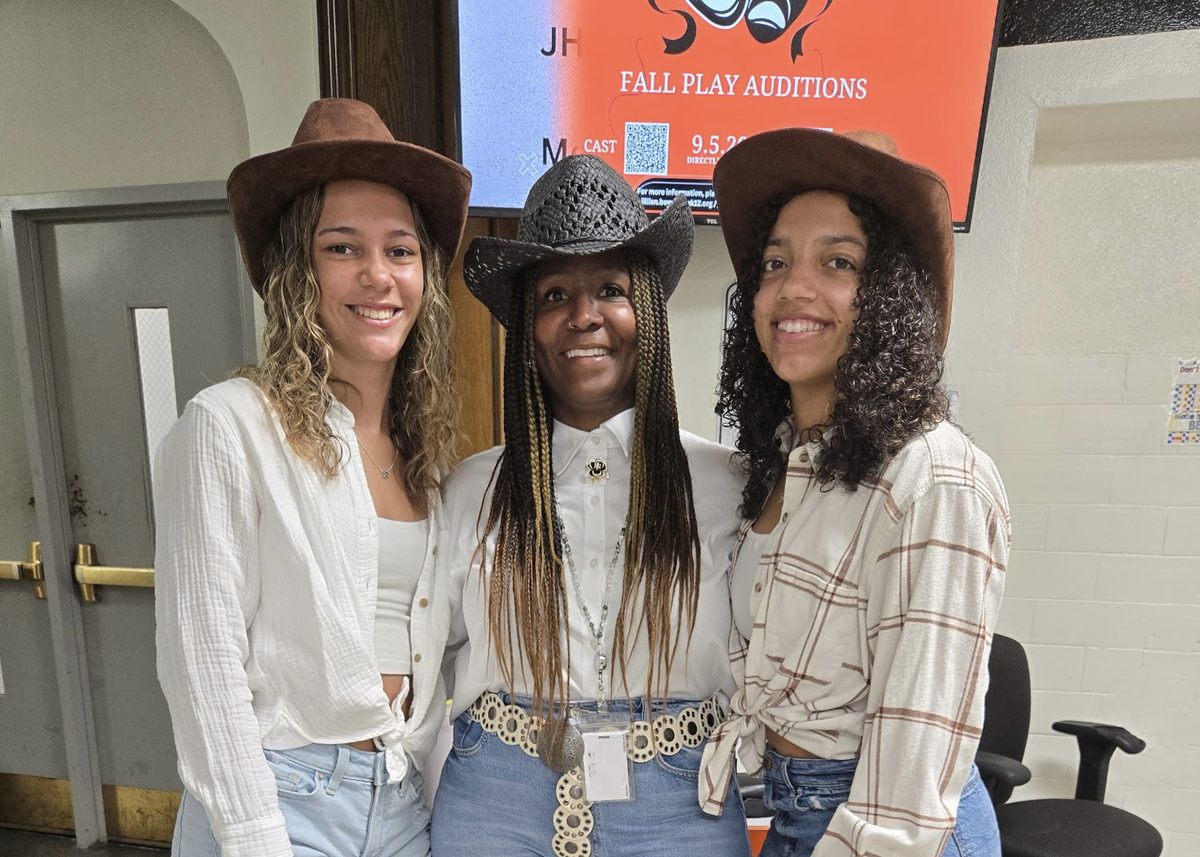
I saw another expression of that same attention in the work of an attendance coach who made a home visit to a student who had stopped coming to school. She showed me the attendance contract she developed and signed with the student. I expected to see days absent, consequences or attendance goals. Instead, across the front were the words, “YOU MATTER TO ME!” The student came back and headed to her first class.
That attention wasn’t limited to moments when students needed support. Monica talked about students learning broadcast journalism through athletic events. She knew they were still learning, but what stood out to her was “the fact that they have a voice.” When students were learning to announce a swim meet, they studied how professionals did it and began trying it themselves. A few meets later, one student asked, “Can I say other stuff?” The answer was, “Absolutely!”
At West Ottawa High School, Principal Kristine Jernigan leads a school with an extraordinary range of opportunities for students on and off campus. For Kristy, having so many options matters because adolescence is still a time when students are figuring out who they are and what fits. An advanced course, career and technical education, the arts, athletics or an experience outside of school might reveal a capability or interest a student didn’t know they had. Through those experiences, students learn what they are good at, what matters to them and what they might want to do next. Sometimes an experience helps a student discover that something they thought they wanted isn’t actually for them. Kristy didn’t see that as time wasted. Trying something, learning from it and choosing a different direction is part of what it means to become college, career and life ready.
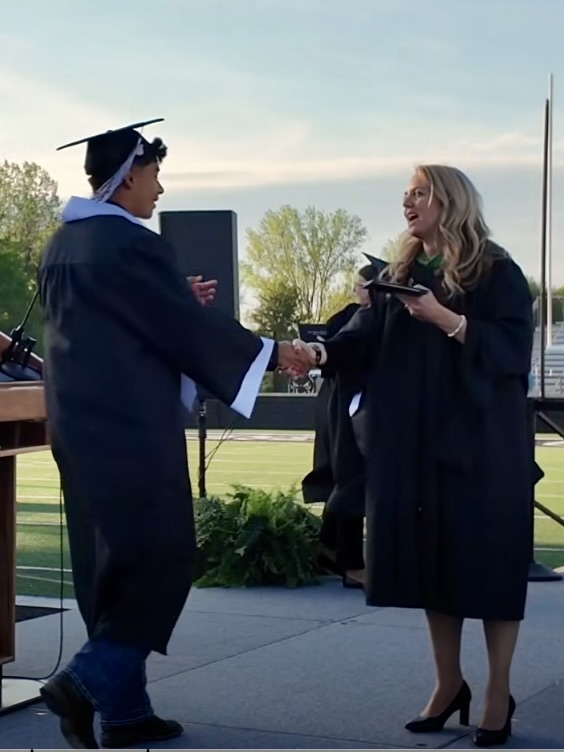
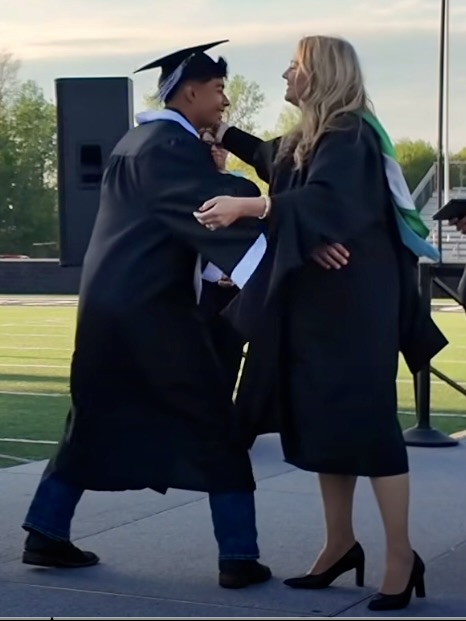
Walking between the North and South buildings near the district’s new aquatic center, Kristy talked about how proud she is of what West Ottawa has built and the way students care for it. We also talked about what it takes for students to experience those opportunities, from her own daughter’s experience of having to choose between opportunities competing for limited time to students whose responsibilities outside of school or lack of transportation can make it difficult to participate beyond the school day. Those experiences have Kristy thinking not just about what opportunities are available, but what students need in order to take advantage of them, including something as practical as finding a way to get students home.
Staying Long Enough to Learn
Principals are asked to make decisions, solve problems and respond to whatever needs their attention next. There are always urgent issues and plenty of voices telling you where your attention should go. You couldn’t do that work if every discipline issue, classroom observation, staff concern or operational problem required you to start from scratch. We need to draw on what experience has taught us without assuming that experience has already given us the answer.
Across my visits this fall, I keep encountering principals who are willing to stay with what they are seeing and hearing long enough to learn something more. Jon, Monica and Kristy bring plenty of experience to their work, but they continue paying attention to the people and experiences right in front of them.
The next time something in your school feels immediately familiar, pay attention to the explanation forming in your head. You may be right. Before moving too quickly from what you observe to what you think it means and what you should do about it, ask: What do I need to understand more fully before drawing a conclusion?
Leading beyond the streetlight doesn’t require us to ignore what is visible or set aside what experience has taught us. We still pay attention to those things without assuming that what is easiest to see tells us everything we need to understand.
During National Principals Month, MASSP is asking school leaders across Michigan to finish one sentence: I love being a principal because… We want to hear about the experiences, relationships and moments that remind you why this work matters.
Let Us Know Why You Love Being a Principal
Your response may be featured on MASSP’s social media or in an upcoming publication as we celebrate school leaders and the work they do.